
Introduction
Before steel pots and ceramic plates arrived, there was the earth shaped, fired, and carried with pride.
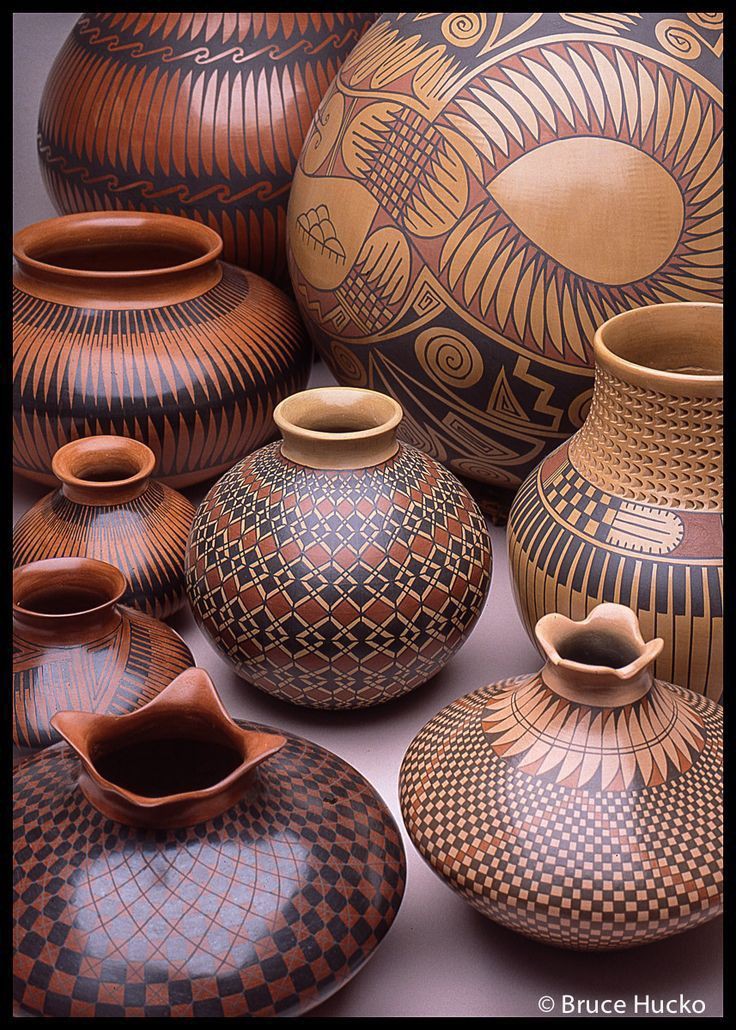
In many African communities, pottery was more than a household item. It was a sacred expression of creativity, a symbol of identity, and a spiritual tool used in birth, death, harvest, and worship. Crafted mainly by women using bare hands and ancestral techniques, African pottery is one of the oldest art forms on the continent, still breathing life into kitchens, shrines, and markets today.
This post dives into the untold story of African pottery, where every curve holds a memory, and every crack speaks of survival, resilience, and beauty.
The Potter’s Hands: Women as Cultural Architects
In many African societies, especially among the Nupe (Nigeria), Shona (Zimbabwe), and Mossi (Burkina Faso), the art of pottery is passed from mother to daughter, generation to generation.
These women are not just craftswomen. They are:
Historians, preserving ancient styles.
Priestesses, shaping vessels for ritual.
Engineers, designing durable and functional wares.
Storytellers, molding clay with symbols that mean more than meets the eye.
Often, they sing or chant as they mold, blessing the clay with both skill and spirit.
Tools of Earth and Spirit
Traditional African pottery does not rely on wheels. Instead, it is made using:
Coiling or pinching techniques.
Clay sourced from sacred riverbeds.
Natural pigments from roots, ash, and leaves.
Polished with stones, shells, or calabash pieces.
Before firing, the pot is sometimes offered to ancestors or spirits for success. It may even bear mystical marks to repel evil or honor deities.
Pottery as a Cultural Messenger
Each vessel tells a story. Common forms include:
Water jars – believed to “cool” the spirit and preserve purity.
Cooking pots – often passed down in families like heirlooms.
Ritual pots – used in libations, sacrifices, or burial rites.
Marriage pots – gifted to brides, symbolizing fertility and warmth.
Some are engraved with tribal marks, while others are painted with motifs representing rain, fertility, unity, or ancestral presence.
Sacred Uses of Pottery in African Rituals
Birth: A newborn may be bathed in a sacred clay bowl.
Initiation: Young boys/girls are fed from specific ritual pots during rites of passage.
Death: Clay vessels may be broken or buried with the deceased as symbols of life’s fragility.
Worship: Shrines often contain clay vessels filled with herbs, oils, or ancestral tokens.
In some cultures, the pot is believed to be a spiritual womb, a container of life, power, and secrets.
The Sounds of Firing Day
Pottery is usually fired in open-air kilns using:
Wood, cow dung, or dry grass.
Ceremonial songs and dances may accompany the process.
Some potters avoid watching the firing, believing it must “birth itself” in silence.
A successful firing is celebrated. A cracked pot? Sometimes returned to the earth, respectfully broken and buried.
Pottery in Modern African Expression
Today, traditional pottery:
Inspires contemporary African art and sculpture.
Is exported for home décor and gallery exhibits.
Empowers rural women through artisan cooperatives and NGOs.
Lives on in urban kitchens that still trust the taste of food from earthen pots.
And in cities, young designers are combining ancestral pottery forms with modern aesthetics, creating a new wave of Afrofuturist claywork.
In Every Pot, a People
African pottery isn’t just about utility, it is earth molded by memory, spirit, and rhythm. It tells us that beauty doesn’t need polish or machines. It just needs hands that remember.
Because in Africa, even the simplest pot is never silent.
It holds a song. A story. A soul.
Leave a Reply