
Introduction: More Than a Map Can Tell
Africa, with its 54 countries and over 2,000 ethnic groups, might appear divided on the map but in spirit, it’s incredibly unified. Borders may have been drawn by colonial rulers, but Africans have always shared an invisible thread that connects their stories, songs, and souls. Whether you’re a Nigerian student studying in Kenya or a South African touring Rwanda, there’s often a shared smile, a familiar rhythm, or a plate of food that makes you feel like you never left home.
This blog post is a celebration of that borderless friendship, the kind that exists between people who might not speak the same language, but share the same heart.
- Shared Languages That Defy Borders
Africa’s languages are not confined to one country. Many of them span across regions and cultures forming a linguistic web that connects people effortlessly.
Swahili, for example, is spoken in Kenya, Tanzania, Uganda, Rwanda, the DRC, parts of Mozambique, and more. It allows people in East and Central Africa to communicate, trade, and joke with ease.
Hausa is another powerful language with roots in West Africa. It’s used in Nigeria, Niger, Ghana, Cameroon, and even parts of Sudan. Whether at a market in Kano or a street in Niamey, the language builds instant bonds.
The Fulani people, found from Senegal to Chad, also speak a common language (Fulfulde/Pulaar) that reinforces their transnational identity.
Even in regions where dialects differ, there’s often a mutual respect and understanding, a willingness to meet halfway. Language in Africa isn’t just communication; it’s connection.
- Cross-Continental Fashion Influence
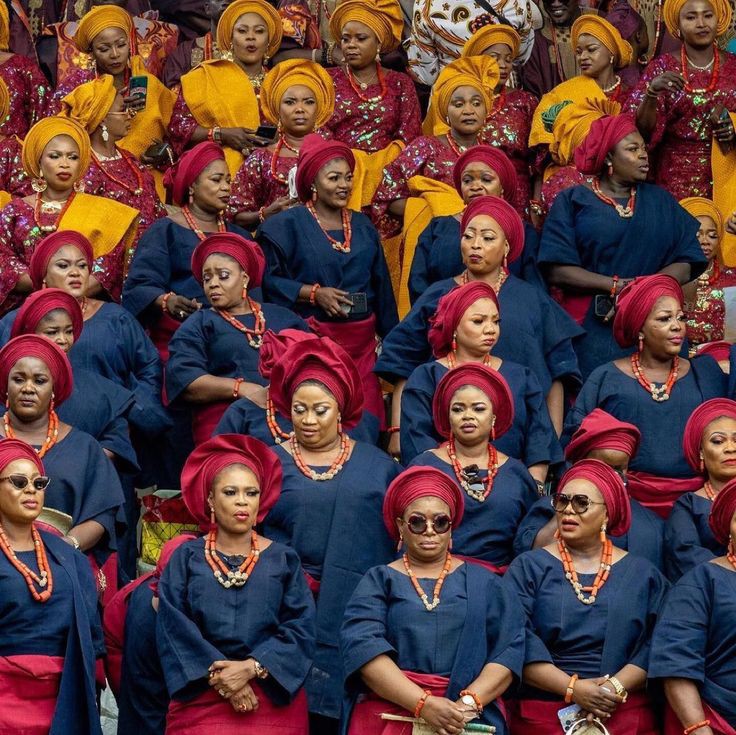
African fashion has never stayed in one place. Trends often start in one corner of the continent and blossom in another, thanks to migration, media, and cultural admiration.
The Dashiki, although originally West African, is proudly worn across the continent, from Kampala to Cape Town.
The Kente cloth of Ghana has made its way into wedding outfits in the diaspora and in ceremonies across Africa.
Beaded jewelry, while commonly associated with the Maasai of Kenya and Tanzania, can be found in various reinterpretations from Mali to Malawi.
Africans don’t just wear clothes, they wear stories, identities, and sometimes, ancestral legacies. And they do so with the joy of celebrating one another.
- Pan-African Food Culture
It’s often said that food unites people faster than politics and in Africa, this is undeniably true.
Jollof rice, for example, might be a national treasure in Nigeria and Ghana, but it’s also enjoyed (with slight variations) in Senegal, Sierra Leone, Liberia, and Cameroon.
Pilau, beloved in Tanzania and Kenya, has links to Indian and Arabic cuisine, yet it holds a distinct African flair.
Injera, Ethiopia’s iconic sourdough flatbread, is relished across the Horn of Africa.
Even snacks like suya, mandazi, and roasted maize have cousins in multiple countries.
The beauty of African food is not just in its spices or colors, but in how familiar it feels, even when it’s your first time tasting it. You may walk into a kitchen in a foreign land and still be served something that reminds you of home.
- Music That Speaks Without Translation
Across Africa, music travels faster than visas. Genres cross borders with ease:
Afrobeat, birthed in Nigeria, is now a global movement, with fans from Accra to Addis Ababa.
Amapiano, the South African house fusion, is currently setting dancefloors on fire from Lagos to Nairobi.
Bongo Flava from Tanzania, Coupé-Décalé from Côte d’Ivoire, and Gqom from Durban are uniting youth through rhythm.
African musicians constantly collaborate across countries. A Nigerian artist might feature a Ugandan singer, with a beat made by a South African producer and visuals shot in Zanzibar. Music in Africa isn’t restricted by national identity, it’s a shared pulse.
- Hospitality and Ubuntu: The Soul of Africa
There’s a saying: “In Africa, you’re never really alone.” It rings true in the continent’s legendary hospitality.
From the Sahel to the Cape, the principle of “Ubuntu”—“I am because we are” shapes how strangers are treated. Offering water to a traveler, giving up a seat for an elder, or feeding a guest before you eat all of these are values baked into African cultures.
Whether you’re Igbo or Zulu, Amharic-speaking or Berber, the hospitality ethos is strikingly familiar. People may not share your language, but they’ll share their food, their seat, and often, their laughter.
- Pan-Africanism in Action
The dream of Pan-Africanism isn’t just an old political idea. It’s a lived experience in today’s Africa:
Cross-border marriages are becoming more common.
African students increasingly choose universities in other African countries.
Tech hubs and startups are collaborating across borders to solve local problems with regional solutions.
Initiatives like the African Continental Free Trade Area (AfCFTA) are pushing for economic unity, not just political one.
The youth are especially at the forefront forming cross-border friendships through Instagram, WhatsApp, Twitter, and virtual summits. Many young Africans proudly say: “I’m not just Kenyan or Ghanaian, I’m African first.”
One Continent, Many Hearts, One Rhythm
Africa’s strength lies in her people and even with diverse tribes, traditions, and tongues, there’s a remarkable rhythm that syncs us all. While colonial lines once tried to divide us, our stories, our dances, our laughter, and our shared dreams still unite us.
So whether you’re sipping mint tea in Morocco, dancing in the rain in Congo, or hiking through the hills of Rwanda, one thing remains true:
Africa feels like home even when you’re far from yours.

Leave a Reply