
Introduction
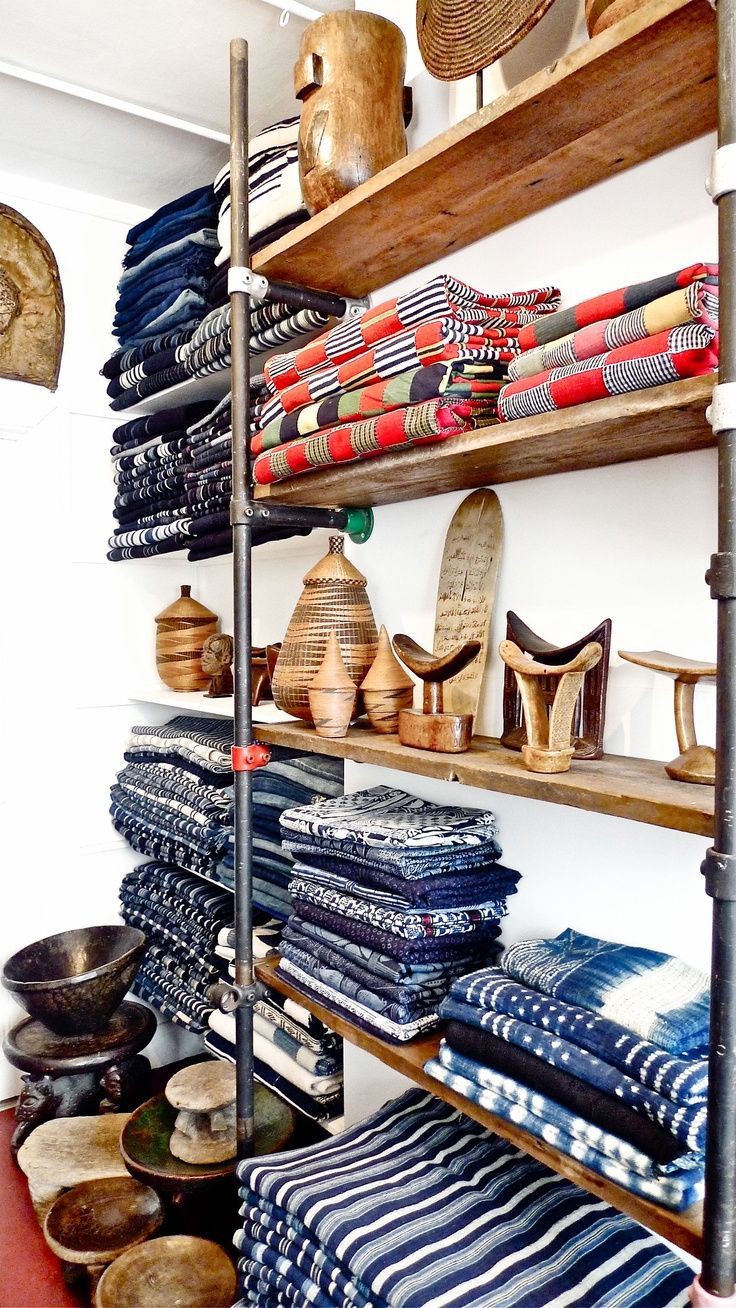
Before the world knew of luxury brands and high fashion, Africa had its own form of prestige: textiles that told stories.
From the royal looms of Ghana’s Kente cloth to the symbolic indigo dyes of Mali’s Bogolanfini, African textiles are not just fabrics, they are identities, histories, and cultural archives.
This blog post unveils the vibrant world of African cloth-making traditions, how patterns, colors, and techniques weave together generations of meaning, artistry, and pride.
African Textiles: More Than Fabric
Across African societies, textiles are:
Worn as status symbols
Used in weddings, funerals, and spiritual rites
Passed down as inheritance or family heirlooms
Displayed to mark tribal identity, gender, or class
The fabric a person wears can tell you:
Where they are from
Whether they are mourning or celebrating
Their rank, age, or even spiritual calling
In essence, African textiles are visual languages.
1. Kente (Ghana – Ashanti & Ewe Peoples)
Perhaps the most globally recognized African cloth, Kente is:
Woven in bold colors and geometric patterns
Once reserved for royalty and sacred occasions
Each colour and pattern has a name and meaning
Examples:
Gold – royalty, wealth
Green – renewal, harvest
Blue – peace, harmony
Pattern: Eban – symbol of safety and security (like a fence)
Wearing Kente is like draping yourself in proverbs.
2. Aso Oke (Nigeria – Yoruba People)
Meaning “top cloth,” Aso Oke is:
A handwoven fabric made from cotton or silk
Traditionally worn during weddings, chieftaincy, and naming ceremonies
Comes in types like Sanyan (beige), Etu (deep blue), and Alaari (magenta)
It’s not just stylish, it’s sacred heritage woven into thread.
3. Bogolanfini (Mali – Bambara People)
Also known as Mud Cloth, Bogolanfini is:
Made using fermented mud dyeing techniques
Features symbolic motifs and tribal marks
Often worn by hunters, warriors, and women during rites of passage
Each motif is a secret passed from mother to daughter. The cloth itself is protective and spiritual.
4. Shweshwe (South Africa – Xhosa, Sotho)
A cotton fabric with bold geometric patterns, Shweshwe is:
Worn by Xhosa women for traditional dress and ceremonies
Once imported but now locally produced and customized
A powerful mix of colonial history and African reinvention
It’s also used in modern African fashion, blending old with new.
5. Barkcloth (Uganda – Buganda Kingdom)
Made from the inner bark of trees, this ancient fabric:
Was worn by kings, elders, and spiritual leaders
Has deep roots in ancestral and burial rites
Represents a strong link between humanity and nature
The making of barkcloth is now a UNESCO-recognized intangible heritage.
Patterns, Colors, and Meanings
African textiles use color codes and motifs to send messages:
Triangles – strength or fertility
Circles – continuity of life
Animals or eyes – protection or wisdom
Red – sacrifice or struggle
White – purity or ancestral presence
No thread is chosen by accident. Every thread means something.
Textile as Power and Protest
Historically, African textiles have also been used to:
Defy colonialism (by reviving indigenous designs)
Mark resistance movements (like Mandela shirts in South Africa)
Empower women (many cloths are made, dyed, and sold by women-led cooperatives)
Fabric becomes a form of voice, even when words are silenced.
Cloth That Speaks
African textiles are not just beautiful, they are alive.
They hold prayers, memories, emotions, and stories all without a single word spoken. When a woman wraps herself in Aso Oke or a chief sits in Kente, they’re not just dressing up.
They’re wearing their ancestry.
Because in Africa, the cloth isn’t just woven, the people are woven into the cloth.


Leave a Reply