
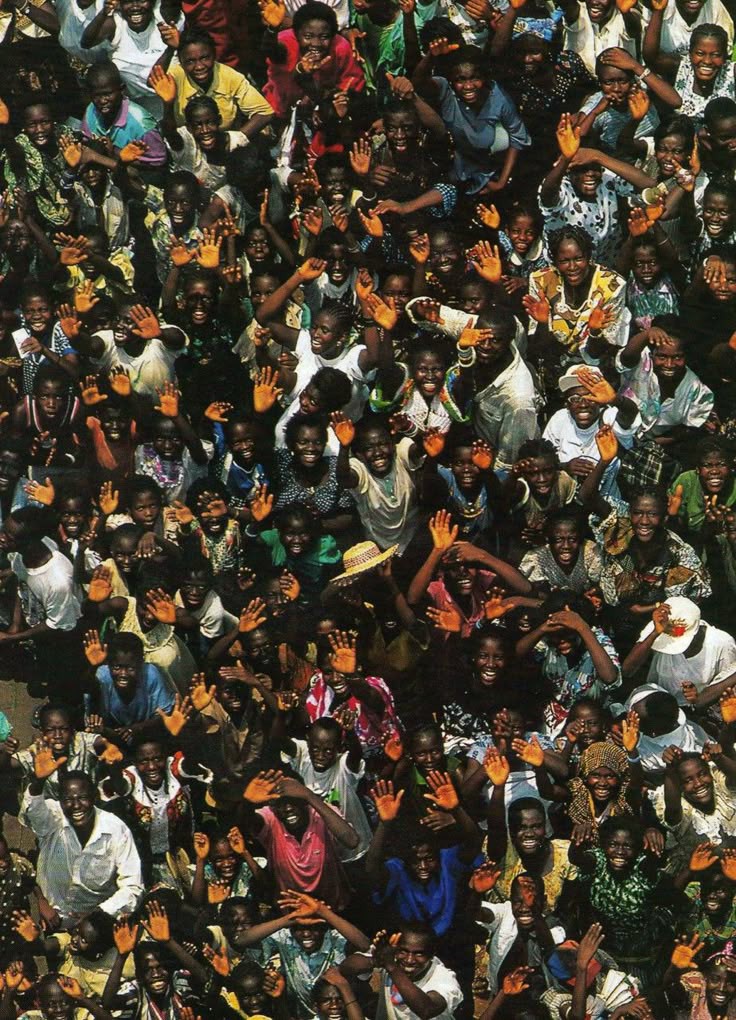
Introduction: More Than a Continent
Being African today is waking up to the smell of mama’s stew and the sound of the neighbor’s generator. It’s greeting five aunties on your way to buy bread. It’s switching from English to pidgin to your native tongue in one sentence without even realizing it.
It’s beautiful.
It’s tough.
It’s unspoken pride mixed with untold pressure.
Let’s talk about what it really means to live and breathe Africa in the 21st century beyond flags and fabrics, into real life.
- The Constant Hustle, Even When You’re Winning
Being African today means you don’t get to rest. You’re constantly expected to strive, be the best in school, get a “real job,” support your family, start a business on the side, and still find time to look fresh on Instagram.
Even if you’re successful, there’s pressure to do more.
Even if you’re struggling, you’re expected to smile through it.
“No one tells you that being an adult African means you have to be your own backup plan.”
- The Joy of Culture That’s In Your Bones
There’s something about being African that the world envies.
The rhythm in our music.
The color in our fashion.
The swagger in how we walk, talk, and even joke.
From Naija slangs to Kikuyu proverbs, from Gqom beats to Afrobeats, from ankara to leso, we carry culture without even trying.
“You’re African when your mother’s voice is louder than the TV and your food is spicier than your future.”
And somehow, it makes you proud, even when the world doesn’t fully understand it.
- Living in Two Worlds at Once
Modern African youth live in a space that’s neither fully traditional nor completely Western. We’re navigating identity in real-time.
You can quote Chimamanda and still vibe to Burna Boy.
You know proverbs by heart but also binge-watch Netflix.
You dream of Paris, but your soul longs for your grandmother’s village.
You’re African in your soul, but global in your reality.
That balance? It’s complex, but it’s also powerful.
- The Pressure to “Make It” for Everyone
For many Africans, success is not personal, it’s collective.
If you graduate, you lift your family.
If you get a visa, you carry the hopes of a whole village.
If you start a business, you’re expected to employ cousins and neighbors.
Sometimes, it’s overwhelming. But deep down, you understand it’s love in its own form.
“Being African means you don’t eat alone when others are hungry even if your plate is small.”
- Laughing Through the Pain
Africans are some of the funniest and most creative people alive, not because life is easy, but because laughter is our medicine.
You’ll find memes for every government drama.
Comedy skits talk about real-life issues we’re too scared to say out loud.
We can roast each other with love and still share a plate of food.
Even in hardship, we dance. Even in chaos, we shine.
- Unspoken Things We Don’t Always Admit
How many of us are silently battling depression, but don’t talk about it because “Africans are strong”?
How many girls have dreams beyond marriage, but are asked, “When will you bring a man?”
How many guys want to create, not just hustle, but are stuck in jobs that drain them?
We don’t always speak of it, but many African youths carry emotional weight we’ve normalized.
It’s time we begin talking, healing, and rewriting the stories we tell ourselves.
- Despite It All, We Wouldn’t Trade It
Yes, it’s hard.
Yes, there are days we wish we were born elsewhere.
But there’s pride in saying:
“I’m African, and I’m surviving this system.”
“I’m African, and I’m creating from struggle.”
“I’m African, and I still show up every single day.”
We are the ancestors’ wildest dreams. And we’re not done yet.
To Be African Is to Be Fire and Flower
We’re the drum and the silence.
The storm and the stillness.
The prayer and the protest.
The past and the future.
Being African today is complicated, beautiful, hard, healing, loud, and alive.
And no matter where we go, we carry it in our names, our food, our music, our scars, and our dreams.


Leave a Reply