
Introduction: The Beauty and the Theft
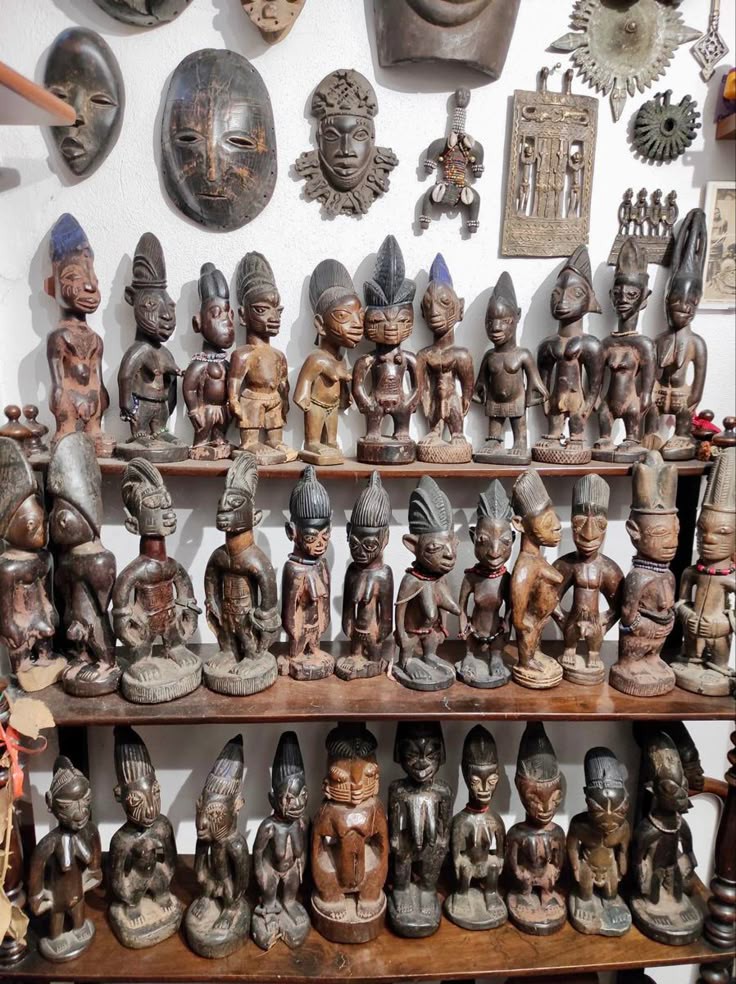
Step into the grand halls of the British Museum, the Musée du Quai Branly in Paris, or the Metropolitan Museum of Art in New York, and you’ll find artifacts from Africa, glittering gold masks, carved ivory tusks, bronze plaques, and sacred sculptures. Each item tells a story of craftsmanship and culture.
But beneath the elegance lies a brutal truth: many of these pieces were stolen.
They were not gifted. They were not found. They were forcibly taken during colonial invasions, punitive expeditions, and missionary missions that sought to dominate, not document.
This is the story of Africa’s stolen splendour and the growing demand for its return.
1. The Scale of the Plunder: What Was Taken?
From the 18th to the early 20th century, European powers systematically looted African cultural objects during colonization, under the guise of exploration, education, or war trophies.
What was taken includes:
The Benin Bronzes: Over 4,000 metal plaques and sculptures taken from the Kingdom of Benin (now Nigeria) in 1897 by British forces.
The Rosetta Stone (Egypt): Seized by British troops in 1801 and now displayed in the British Museum.
Asante Gold Regalia (Ghana): Seized during multiple British invasions and now housed in the V&A Museum, London.
Ethiopian Manuscripts and Crosses: Taken during the 1868 Magdala expedition, including a sacred crown and illustrated bibles.
Congolese Sculptures: Removed by Belgian colonial administrators and shipped to museums in Brussels.
Mask Collections from Mali, Côte d’Ivoire, and Cameroon taken by missionaries and French soldiers.
An estimated 90% of Africa’s cultural heritage is currently held outside the continent, mostly in European institutions.
2. The Benin Bronzes: The Heart of the Repatriation Debate
In 1897, the British launched a “punitive expedition” to the Kingdom of Benin (now in southern Nigeria), burning down the royal palace and looting thousands of precious artworks.
These included:
Detailed bronze plaques depicting kings and court life
Ivory masks of Queen Idia
Carved tusks, ritual objects, and palace decorations
Today, these artifacts are scattered across more than 150 museums worldwide, including:
The British Museum (UK)
Museum of Ethnology (Germany)
Musée du Quai Branly (France)
Museum of Fine Arts (Boston)
These weren’t mere souvenirs, they were sacred royal heirlooms, historical records, and living heritage.
3. Why It Matters: More Than Just Art
African artifacts are not just art pieces. They are:
Spiritual objects: Used in rituals, festivals, and religious rites.
Historical documents: Containing oral traditions, political narratives, and genealogies.
Symbols of identity: Tied to the pride and memory of entire ethnic groups or nations.
Educational tools: Used to teach culture, ethics, cosmology, and community law.
When these items are removed, a cultural wound is left behind. Generations grow up without seeing their heritage, while the rest of the world studies, profits from, or misrepresents it.
Imagine if all of Europe’s cathedrals, crowns, and manuscripts were displayed in African museums and labeled “primitive” curiosities.
4. The Colonial Justification: “We Preserved It”
Colonial powers long claimed that they “saved” African artifacts from neglect or destruction.
They argued:
Africans didn’t understand the value of the items
Museums offered better protection
Displaying them served “universal education”
But these claims crumble when we realize:
Many items were in active use before being stolen
Museums often mislabel or hide the true origins
Profits are made from Africa’s cultural wealth while denying Africans access
“Preservation” without consent is just looting with better lighting.
5. The Repatriation Movement: Africa Fights Back
In recent years, African scholars, governments, and activists have intensified the call for repatriation.
Milestones include:
Nigeria’s campaign to retrieve Benin Bronzes (leading to some returns from Germany, the US, and UK institutions).
Senegal’s Museum of Black Civilizations (Dakar), opened in 2018 as a cultural reclamation space.
Ethiopia’s successful retrieval of manuscripts and crosses from the UK.
The 2021 return of looted Benin Bronzes by Germany to Nigeria.
Scholars like Prof. Felwine Sarr and Bénédicte Savoy authored the groundbreaking report, “The Restitution of African Cultural Heritage” (2018), urging France to return thousands of stolen works.
Africa is not begging. Africa is demanding justice.
6. What’s Stopping Full Return?
Despite growing awareness, many museums still resist, citing:
Legal complications (e.g. British Museum Act of 1963 prohibits permanent deaccession).
Fear of setting precedent (worried about returning items to other former colonies).
“Lack of proper facilities” in Africa, a paternalistic claim often used to stall restitution.
Profit and tourism, African artifacts attract millions of visitors each year.
But none of these arguments outweigh the ethical reality: they don’t belong to the West.
7. The Way Forward: Reparation Through Repatriation
Repatriation is not just about shipping objects home. It’s about:
Restoring dignity to people and cultures wronged.
Rebuilding broken histories.
Creating dialogue between Africa and the world.
Reframing global art history to reflect truth and equity.
Africa is already building world-class museums, training curators, and digitizing collections. What is needed now is cooperation, not control.
Time to Bring Africa’s Soul Home
The stolen splendor of Africa must come home not as relics of the past, but as living symbols of a people rising again. The call for repatriation is not emotional, it’s historical, moral, and long overdue.
When the drums of justice beat loud enough, even the walls of empire tremble.
Let the return begin.
Stolen Splendour: African Artifacts in Western Museums and the Fight for Return
By
Read Next:
Hey!
Hey, dear visitor! Whether you’re here to know about African history, culture and news, or just stay in the loop with the latest events in Africa, you’re in the right place. This blog is all about sharing the coolest things in Africa. Hit that follow button, and let’s explore Africa together! 🚀
Join the Club
Stay updated with our latest tips and other news by joining our newsletter.
Tags
#Adulthood #Adulthood #PCOS Awareness #young girl child# health care #Africa #Africa Hairstyles #African History #Africa #Africa history #Africa root #Africa Countries #Africa #Africa history #Africa root #The Bambuti tribe #Africa #African Country #infrastructure #economic growth #Africa #beautyinafrica @wildlifebeauties #kenya #tanzania #Africa #Breaking # News #Africa #Breaking # News #Nigeria #cybersecurity #levy #economy #Africa #Breaking # News #southafrica #Apartheid #Economic instability #Africa #Breaking # News #southafrica #Apartheid #Election #Zuma #Africa #Breaking # News #SouthAfrica #Election #ContentCreators #SocialMedia #Africa #Breaking #Nigeria #insecurity #death #economy #fire #Africa #Country Names #Africa identity #Africanculture #Africanspirituality #childrensafety #Greatness #LGBTQ #news #Africa #Nigeria #trends #entertainment #Music #Non-digitalskills #personalgrowth #Productivity #slave trade #UgandanAthleteAttackedInKenya #PetrolAttackOnFemaleRunner #ViolenceAgainstFemaleAthletes #RebeccaCheptegeiFightForLife #KenyaCrimeAgainstWomen #AthleteSurvivesPetrolAttack #GenderBasedViolenceInKenya #UN AFCON africa African youth Africa to the world food football Ghana health Ivory Coast mental-health News Nigeria power woman self-esteem social media sports technology youth youth advocacy
Leave a Reply