
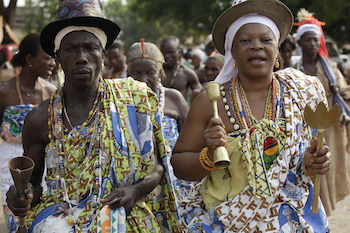
The Fon people, guardians of the once-mighty Dahomey Kingdom, are not just a tribe, they are a living legacy of monarchs, myth, military might, and mystical beliefs. Nestled in present-day Benin Republic, the Fon hold stories that echo through palaces, shrines, and sacred groves. From their powerful queens to their spiritual depth, here are 10 remarkable things to know about this fascinating African people.
1. The Heart of the Dahomey Kingdom
The Fon established the Dahomey Kingdom in the 1600s, one of West Africa’s most advanced precolonial empires. It featured a centralized government, military strategy, tax systems, and diplomatic missions long before European colonization.
2. The Fierce Dahomey Amazons (Agojie)
Among the Fon, women could be warriors too. The Agojie, known to the world as Dahomey Amazons, were an elite, all-female military unit. These women underwent intense training, took oaths of celibacy, and were respected for their bravery, discipline, and loyalty to the king.
3. Birthplace of Vodun (Voodoo)
The Fon are the spiritual root of Vodun, the traditional religion often misunderstood as “voodoo.” Vodun worship involves ancestral reverence, spirit possession, natural elements, and ceremonial rituals. It spread globally through the slave trade and influenced religious practices in Haiti, Cuba, Brazil, and Louisiana.
4. Royalty with Spiritual Authority
Fon kings (Obas) weren’t just rulers, they were considered divine mediators between the spiritual and physical world. Royal palaces in Abomey hosted rituals, sacrifices, and festivals to maintain cosmic harmony. Even in death, kings were honored with grand tombs and spirit shrines.
5. Symbolic Art and Architecture
Fon craftsmanship includes vibrant appliqué textiles, bronze sculptures, and bas-relief murals that serve as historical records. The Royal Palaces of Abomey (UNESCO World Heritage Site) showcase these through walls that tell tales of conquests, gods, and heroic deeds.
6. Oral Tradition and Storytelling
The Fon rely heavily on oral tradition. Griots and elders pass down history, proverbs, and spiritual teachings through poetry, storytelling, and song. These oral records are treated as sacred and are central to Fon identity.
7. Rich Festivals and Cultural Rites
Festivals like Fête du Vodoun (Vodun Festival) held every January in Ouidah draw thousands. It features ritual dancing, drumming, spirit possession, and ancestral offerings. These events are not just celebrations they’re spiritual communions with the invisible world.
8. Matriarchal Influence and Gender Balance
While the Fon are not strictly matriarchal, women play major roles in governance and spirituality. Queen mothers, priestesses, and female warriors have shaped Fon history. This gender dynamic is rare and reflects deep respect for women’s power in both the family and the state.
9. The Art of Diplomacy and Trade
The Fon people engaged in complex trade with Europeans, especially during the era of the Atlantic slave trade, which played a major role in Dahomey’s wealth and expansion. They traded palm oil, cloth, and weapons in exchange for goods. Though controversial, it reveals their early exposure to global exchange.
10. Resilience in Modern Times
Despite colonization and cultural shifts, the Fon have preserved their heritage. Vodun is still widely practiced, royal titles still exist, and art and ritual remain strong. They are a living testimony of African continuity rooted in the past, yet thriving in the present.

Leave a Reply