
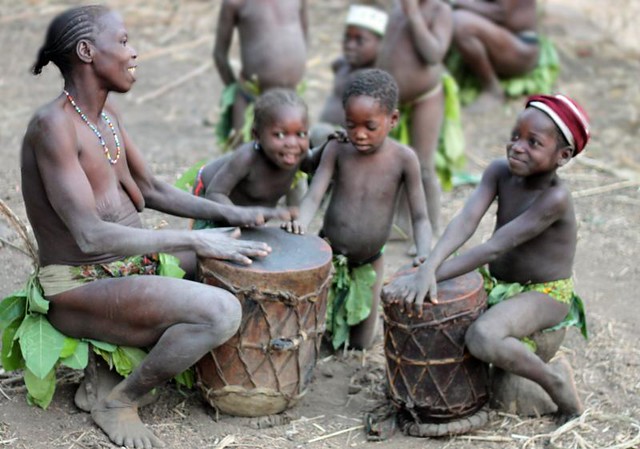
In the lush folds of the Atlantika Mountains of northeastern Nigeria, tucked away from the buzz of modernity, lives a tribe whose story sounds like something out of a forgotten folktale. Meet the Koma people, one of Nigeria’s most mysterious and culturally rich tribes. They’re not just a people; they are a living history of resilience, spirituality, and tradition. Let’s uncover the beauty, uniqueness, and mystery of this hidden Nigerian gem through 12 captivating insights.
1. They Were “Discovered” Not Too Long Ago
Despite being Nigerians, the Koma people were largely unknown to the rest of the country until 1986 when a National Youth Service Corps member stumbled upon them during a routine posting. Their “rediscovery” sparked national interest and debates about Nigeria’s hidden communities.
2. Home in the Clouds: The Atlantika Mountains
The Koma live in 28 scattered hilltop villages along the Cameroon-Nigeria border, mostly within Adamawa State. Their high-altitude homes make them naturally secluded, protected, and uniquely self-reliant. The trek to their villages involves navigating rugged terrains, no roads, just footpaths and silence.
3. Minimal Clothing, Maximum Identity
In a world obsessed with trends, the Koma people retain their traditional dress code. Many men wear loincloths, while women use leaves or wraps to cover themselves modestly. This is not out of poverty, it’s deeply cultural and proudly upheld.
4. Language & Linguistic Heritage
They speak the Koma language, a member of the Adamawa-Ubangi language family. It’s distinct, poetic, and passed down orally through generations. Sadly, it’s endangered, but it remains a strong pillar of their identity.
5. Deep Belief in the Spirit World
The Koma people practice animism and ancestral worship. Spirits of the land, animals, and ancestors are deeply revered. Shrines made of clay and offerings are common in their villages. They believe illness and misfortune are linked to spiritual imbalance, which only ritualists can correct.
6. Traditional Healing Is Their First Hospital
Forget clinics. The Koma people have centuries-old knowledge of herbs and roots. Their traditional healers are renowned for curing ailments using natural remedies, spiritual chants, and ritual cleansing. Their wisdom is sought by neighboring communities as well.
7. Marriage Isn’t Just About Love; It’s Labour
Among the Koma, marriage is a process of service and patience. A man must work on his bride’s family farm sometimes for years before he can marry her. This “bride service” proves he is responsible and hardworking.
8. Twins Were Once a Taboo Topic
In older Koma beliefs, twins were seen as a curse, believed to bring misfortune to families and the land. Sadly, this led to infanticide. Thankfully, the narrative is shifting due to education and cultural evolution.
9. Dance That Tells Stories
Koma dances are not just for fun; they’re expressions of healing, gratitude, and protest. During festivals, the air vibrates with drumbeats, chants, and body movements that tell stories of ancestors, harvests, and spirits.
10. Suspicion of Outsiders
While the Koma people are welcoming in nature, they are also highly cautious of outsiders. This is understandable, given how their ways have often been misunderstood or sensationalized. Visiting them requires permission, respect, and often a local guide.
11. Changing Yet Unchanged
Modern influence is slowly creeping in some Koma children now go to school, and a few villagers have adopted modest Western clothing. But deep in the hills, many still proudly hold on to their heritage, living as their ancestors did.
12. A Culture Worth Preserving
The Koma are more than their appearance or seclusion. They are a symbol of Africa’s untold stories, of how identity can survive the tides of time. Their existence challenges the idea that development must always mean assimilation.
Conclusion:
The Koma people remind us that progress doesn’t always mean letting go of the past. Sometimes, it means holding on fiercely proudly to who we are. In every hill they climb, in every leaf they wear, and in every drum they beat, they echo the spirit of Africa in its rawest, realest form.

Leave a Reply