
Introduction
In the sun-kissed savannahs of Kenya and Tanzania roam a people as iconic as the land they protect the Maasai. Adorned in red shukas, beaded jewelry, and armed with spears of legacy, the Maasai are more than just a symbol of African pride; they are living testaments to courage, culture, and connection. As the world moves at digital speed, the Maasai remain rooted in rhythms older than time dancing, herding, storytelling, and standing tall.
Location
The Maasai inhabit the Great Rift Valley regions of southern Kenya and northern Tanzania, particularly around the Maasai Mara Game Reserve, Serengeti, and Ngorongoro Crater. Their homeland stretches across grassy plains, semi-arid scrubland, and iconic wildlife reserves a setting that mirrors the strength and beauty of their way of life.
Demography
The Maasai population is estimated to be around 1.2 million, with over 800,000 in Kenya and the rest in Tanzania. Despite modernization and land challenges, the Maasai remain one of the few tribes in Africa that have preserved most of their cultural identity, thanks to strong community ties and resistance to outside influence.
Linguistic Affiliation
The Maasai speak the Maa language, which belongs to the Eastern Nilotic group of the Nilo-Saharan language family. Many also speak Swahili and English, especially the younger generation who attend school or work in tourism.
History and Cultural Relations
The Maasai are believed to have migrated south from the Nile Valley into their current region in the 15th century. Historically semi-nomadic pastoralists and warriors, they were known for territorial dominance and fierce resistance during colonial times. Despite British efforts to assimilate them, the Maasai retained their language, customs, and traditional land-use systems.
The tribe maintains cultural ties with other Nilotic groups like the Samburu, and though modern governments have tried to integrate them, the Maasai have balanced adaptation with resilience, preserving their deep-rooted heritage.
Settlements
Maasai live in enkangs traditional homesteads made up of circular huts built by women from mud, dung, sticks, and grass. These family compounds are enclosed with thorny fences for protection against wild animals.
Each settlement houses extended family units and is centered around cattle pens, signifying the spiritual and economic importance of livestock.
Trade
Cattle is the currency and cornerstone of the Maasai economy. Livestock is used for food, dowries, rituals, and trade. The Maasai also engage in beadwork sales, cultural tourism, and small-scale farming in modern times.
Increased interaction with tourists has allowed them to earn income by showcasing dances, selling crafts, and guiding cultural safaris all while maintaining traditional dignity.
Marriage
Marriage in Maasai culture is family-arranged and heavily ceremonial. Cattle dowry negotiations, ritual blessings, and initiation rites are all key parts of the process.
Polygamy is practiced, particularly among elders who have the wealth to support large families. Women play crucial roles as homemakers, artisans, and custodians of tradition.
Transition from childhood to adulthood is marked by ceremonies like circumcision (with ongoing debates and reforms regarding the practice for girls) and warrior initiation.
Religion
The Maasai believe in Enkai (or Engai) a dual-natured deity who represents both benevolence and wrath. Their spirituality is closely tied to nature, ancestors, and cattle. Rituals, sacrifices, and blessings are led by Laibons (spiritual leaders).
While Christianity has spread through missionary efforts, many Maasai still practice a blended belief system, attending church on Sundays but honoring traditional rites during births, marriages, and funerals.
The Art of Relating with the Maasai
Relating with the Maasai is a blend of respect, cultural sensitivity, and curiosity. Visitors should greet elders with “Sopa” (hello) and observe customs like asking permission before taking photographs.
The Maasai value communal relationships, and introductions are best made through a trusted local guide or elder. When visiting a Maasai village or market, always show humility, ask questions with genuine interest, and refrain from judging practices you don’t understand.
Listening is key the Maasai are oral historians, and their stories are windows into Africa’s soul. Whether you’re buying beadwork or attending a jumping dance (Adumu), engage with honor and you’ll be welcomed with warmth.
Uniqueness
What makes the Maasai truly unique is their fierce cultural pride and spiritual connection to cattle. Every Maasai from child to elder holds an innate belief that cattle were gifted to them by God.
Their warrior culture (Moranism) teaches courage, endurance, and protection of the community. The iconic Adumu jumping dance is not just athleticism but a display of strength and beauty.
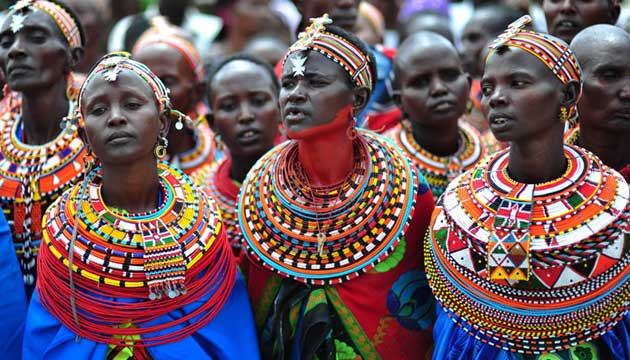
Maasai beadwork, with its intricate colors and meanings, tells stories of identity, age, status, and marital roles. Their resilience against modernization pressures and environmental hardship is a testimony to their communal strength and timeless wisdom.
Conclusion
The Maasai people are more than the warriors of East Africa they are guardians of a legacy, draped in tradition and driven by pride. As Kenya and Tanzania evolve, the Maasai stand tall not in defiance, but in deep-rooted conviction that the old ways still have value.
In their chants, dances, and quiet strength lies a powerful reminder: when you know who you are, no wind not even the wind of change can shake your roots.

Leave a Reply