
Africa is home to some of the world’s most ancient civilizations, rich cultures, and deep-rooted histories. When discussing the oldest country in Africa, Ethiopia often takes center stage. With a history spanning thousands of years, Ethiopia stands as one of the world’s oldest independent nations, boasting a unique cultural heritage, ancient traditions, and remarkable historical landmarks.
Ancient Origins and Early Civilizations
Ethiopia’s history can be traced back to ancient times, with evidence of human habitation dating back millions of years. The country is often referred to as the “Cradle of Humanity”.
The earliest known civilization in Ethiopia was the Kingdom of D’mt (10th–5th century BCE), located in what is now the northern part of the country. This civilization was influenced by South Arabian cultures and is believed to have laid the foundation for later Ethiopian civilizations.
Ethiopia’s Christian Heritage
Christianity has played a crucial role in Ethiopia’s identity. The Ethiopian Orthodox Church, which traces its roots to the 4th century, is one of the oldest Christian denominations in the world. The country’s connection to Christianity is reflected in its many ancient churches, including the famous rock-hewn churches of Lalibela, carved directly into solid rock in the 12th century.
Ethiopia’s Role in the Islamic World
While Ethiopia is predominantly Christian, Islam also has a deep-rooted history in the country. In the 7th century, Ethiopia provided refuge to early Muslim followers fleeing persecution in Mecca, an event known as the First Hijrah. The Ethiopian King (Negus) protected the Muslims, leading to a strong historical connection between Ethiopia and the Islamic world.
Resistance Against Colonialism
Unlike most African nations, Ethiopia successfully resisted European colonialism. In 1896, during the First Italo-Ethiopian War, Ethiopia, under Emperor Menelik II, achieved a decisive victory against Italy at the Battle of Adwa. This victory preserved Ethiopia’s independence and made it a symbol of African resistance against colonial rule.
During World War II, Ethiopia briefly fell under Italian occupation (1936–1941) but was liberated with the help of Allied forces. Emperor Haile Selassie played a significant role in rallying international support against fascism and later became a leading figure in the formation of the African Union (AU).
Ethiopia’s Modern Legacy
Today, Ethiopia remains deeply connected to its ancient past while striving for progress. The country is home to numerous UNESCO World Heritage Sites, vibrant cultural traditions, and a diverse population speaking over 80 languages. Addis Ababa, the capital, serves as the headquarters of the African Union, reinforcing Ethiopia’s role as a political and cultural leader in Africa.
Conclusion
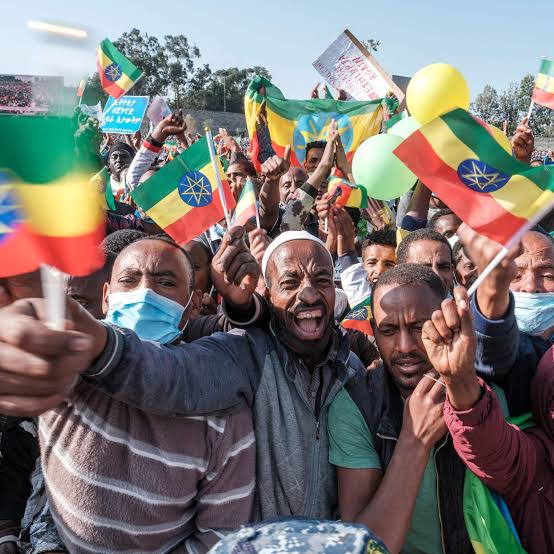
Ethiopia’s rich history, from its early civilizations to its role in global affairs, makes it the oldest independent country in Africa. It is a land of remarkable resilience, cultural depth, and historical significance. As one of the few nations never to be colonized, Ethiopia stands as a proud symbol of African heritage and identity.
Ethiopia: The Oldest Country in Africa
By
Read Next:
Hey!
Hey, dear visitor! Whether you’re here to know about African history, culture and news, or just stay in the loop with the latest events in Africa, you’re in the right place. This blog is all about sharing the coolest things in Africa. Hit that follow button, and let’s explore Africa together! 🚀
Join the Club
Stay updated with our latest tips and other news by joining our newsletter.
Tags
#Adulthood #Adulthood #PCOS Awareness #young girl child# health care #Africa #Africa Hairstyles #African History #Africa #Africa history #Africa root #Africa Countries #Africa #Africa history #Africa root #The Bambuti tribe #Africa #African Country #infrastructure #economic growth #Africa #beautyinafrica @wildlifebeauties #kenya #tanzania #Africa #Breaking # News #Africa #Breaking # News #Nigeria #cybersecurity #levy #economy #Africa #Breaking # News #southafrica #Apartheid #Economic instability #Africa #Breaking # News #southafrica #Apartheid #Election #Zuma #Africa #Breaking # News #SouthAfrica #Election #ContentCreators #SocialMedia #Africa #Breaking #Nigeria #insecurity #death #economy #fire #Africa #Country Names #Africa identity #Africanculture #Africanspirituality #childrensafety #Greatness #LGBTQ #news #Africa #Nigeria #trends #entertainment #Music #Non-digitalskills #personalgrowth #Productivity #slave trade #UgandanAthleteAttackedInKenya #PetrolAttackOnFemaleRunner #ViolenceAgainstFemaleAthletes #RebeccaCheptegeiFightForLife #KenyaCrimeAgainstWomen #AthleteSurvivesPetrolAttack #GenderBasedViolenceInKenya #UN AFCON africa African youth Africa to the world food football Ghana health Ivory Coast mental-health News Nigeria power woman self-esteem social media sports technology youth youth advocacy
Leave a Reply