
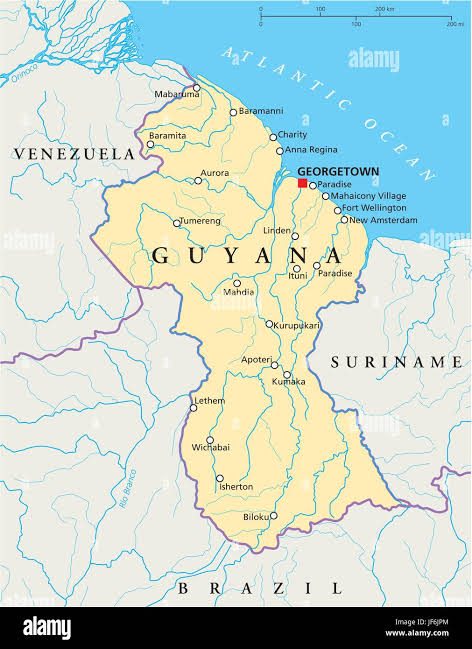
Guyana, located on the northern coast of South America, is a culturally diverse country often associated with the Caribbean due to its shared history, culture, and English language. Among its rich tapestry of ethnic groups, Afro-Guyanese—descendants of enslaved Africans—play a significant role in shaping the nation’s identity.
African Ancestry in Guyana

Afro-Guyanese are primarily descendants of West Africans, many of whom were forcibly brought to Guyana during the transatlantic slave trade. The majority of these enslaved individuals came from the coastal regions of Africa, particularly present-day Senegal and other parts of West Africa. Dutch settlers are believed to have introduced the first groups of enslaved Africans to Guyana in the mid-17th century, primarily to work on sugar plantations.
The abolition of slavery in 1834 marked a turning point for Afro-Guyanese, who transitioned from plantation labor to becoming independent workers, entrepreneurs, and key contributors to Guyana’s economic and cultural landscape.
Ethnic Composition and Diversity
Guyana’s population reflects its history as a colonial outpost and a destination for various immigrant groups. According to the 2012 census:
East Indians (Indo-Guyanese): 39.9%
Africans (Afro-Guyanese): 29.2%
Mixed Heritage: 19.9%
Indigenous Peoples:Approximately 10%
Other smaller groups include Europeans and Chinese.
This diversity has resulted in a vibrant mix of cultures, religions, and traditions, with Afro-Guyanese significantly influencing Guyana’s music, dance, cuisine, and festivals.
Language and Identity
As the only English-speaking country in South America, Guyana stands out linguistically. While English is the official language, the majority of Guyanese speak Guyanese Creole—a dynamic blend of African, Dutch, Indian, and English linguistic influences. This creole reflects the country’s diverse history and cultural amalgamation.
Independence and Legacy
Guyana gained its independence from British colonial rule in 1966 and has since forged its path as a sovereign nation. Despite its challenges, the country remains a beacon of cultural resilience and diversity. Afro-Guyanese continue to honor their African roots through traditions, storytelling, and community celebrations.
By understanding these African roots, we celebrate not only the resilience of the Afro-Guyanese people but also the enduring connections between Africa and the diaspora.
Leave a Reply