
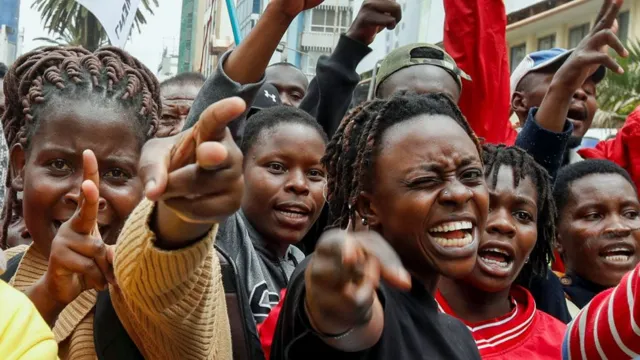
Mental health among African youth is increasingly recognised as a critical issue amidst socio-economic challenges and cultural stigmas. Despite progress in awareness, many young Africans face significant hurdles in accessing mental health care and coping with stressors unique to their environments.
Understanding these challenges and promoting effective strategies for resilience and support are crucial steps towards improving mental well-being across the continent. These are the various challenges:
1. Stigma and Cultural Beliefs: Traditional beliefs and societal stigma surrounding mental illness often deter youth from seeking help. Mental health issues may be viewed as a personal weakness or a family embarrassment, leading to isolation and reluctance to disclose feelings.
2. Limited Access to Mental Health Services: Inadequate mental health infrastructure and resources contribute to the challenge. Many African countries face shortages of trained professionals, mental health facilities, and affordable treatment options, particularly in rural areas.
3. Economic Hardships and Unemployment: Economic instability and high youth unemployment rates amplify stress and anxiety among African youth. Financial pressures can exacerbate mental health conditions and hinder access to necessary support.
4. Educational Pressures: Intense academic expectations and limited educational opportunities can lead to anxiety, depression, and feelings of inadequacy among youth striving for success in competitive environments.
5. Impact of Conflict and Displacement: Youth affected by conflict, displacement, or migration often experience trauma and psychological distress. Limited access to mental health services in humanitarian settings compounds their challenges.
Strategies for Overcoming Mental Health Challenges
1. Increasing Awareness and Education: Promoting mental health literacy through education and community outreach programs helps debunk myths and reduce stigma. Encouraging open discussions about mental well-being can empower youth to seek help without fear of judgment.
2. Improving Access to Mental Health Services: Governments and NGOs should prioritise investment in mental health infrastructure, training healthcare professionals, and integrating mental health services into primary care settings. Telemedicine and digital platforms can also expand access in remote areas.
3. Cultural Sensitivity and Community Support: Engaging community leaders, traditional healers, and religious institutions in mental health advocacy fosters culturally sensitive approaches to care. Peer support groups and community-based interventions provide solidarity and encouragement.
4. Promoting Resilience and Coping Skills: Equipping youth with coping strategies and resilience-building skills enhances their ability to navigate challenges. This includes stress management techniques, mindfulness practices, and promoting physical health through exercise and nutrition.
5. Addressing Socio-economic Factors: Creating economic opportunities for youth through vocational training, entrepreneurship programs, and job creation initiatives alleviates financial stressors and promotes stability, positively impacting mental health outcomes.
Addressing mental health challenges among African youth requires a multifaceted approach that combines awareness-raising, access to quality care, community support, and socio-economic empowerment. By fostering resilience, reducing stigma, and enhancing support systems, African youth can overcome obstacles to mental well-being and thrive in their personal and professional lives.

Leave a Reply