
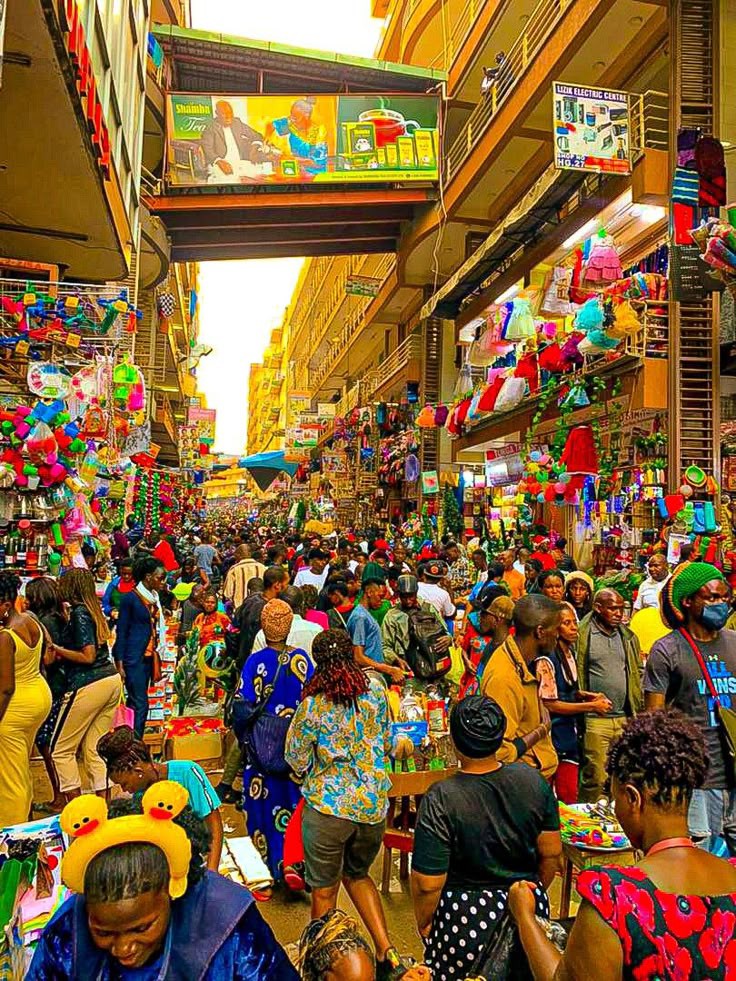
The Hustle Has a Name
In Africa, the hustle isn’t just an option, it’s the very rhythm of life. It’s the early morning voices that fill the streets, the hum of generators, the smell of roasted corn or suya, and the sound of determination echoing through open markets and digital platforms alike.
It’s often romanticized, sometimes pitied, but rarely understood from within. The African hustle isn’t just about making ends meet, it’s about building dreams, rewriting narratives, and creating something out of nothing. In a continent bursting with youth, vibrancy, and vision where job security is rare and systems can fail, the hustle is how many survive, and increasingly, how many thrive.
- Hustle by Necessity, Hustle by Passion
Unemployment rates across Africa have forced many young people to look inward for survival. Yet what started as necessity has quickly evolved into passion and innovation.
A young girl in Kenya unable to find a job after university starts making organic skincare products in her mother’s kitchen, today, she ships to four countries.
A group of boys in Ibadan build a car from scrap metal now, they run a small auto-mechanic learning center for youths in their community.
A barber in Lusaka goes viral on TikTok because of his flawless customer transformations, turning his tiny shop into a franchise-in-the-making.
Hustle in Africa often starts with hardship, but it never ends there. It becomes a story of hope, one sale at a time.
- Hustle is Digital, Too
With the explosion of mobile technology and social media, African hustlers have gone global. No longer limited by location or lack of formal education, today’s entrepreneurs are tapping into the internet to build and scale.
Instagram boutiques run by fashion-forward teens in Dakar are setting trends.
YouTube comedians in Uganda are racking up millions of views and bagging brand deals.
Virtual assistants in Nigeria now work for clients in the U.S., UK, and Canada often earning in dollars.
Online tutors in Ghana teach mathematics, languages, and coding to international students from a phone in their bedroom.
What makes the digital hustle unique is that it’s breaking down barriers. Access to global tools means local problems can be solved creatively and profitably.
- Side Hustle Nation
In Africa, it’s rare to meet someone with just one source of income. Your mechanic is also a poultry farmer. Your tailor sells perfumes on the side. Your teacher may double as a content creator by night.
This multi-income culture is not just a response to the high cost of living, it’s a show of resilience and resourcefulness. It’s a deep-rooted understanding that the path to financial freedom isn’t always linear, but it’s always possible.
And with platforms like WhatsApp Business, Facebook Marketplace, Jumia, and Jiji, hustlers are managing customer service, marketing, sales, and delivery all from their palms.
- Hustle with a Cause
What’s even more powerful? African hustlers are not only chasing profits, they’re solving problems:
In Ethiopia, a young woman creates reusable sanitary pads for schoolgirls.
In South Africa, a team of youths launches an app to connect farmers to markets directly, cutting out exploitative middlemen.
In Cameroon, a young engineer designs solar-powered lamps for communities without electricity.
Hustle becomes more than an income stream. It becomes activism. It becomes purpose. It becomes a response to injustice, inequality, and inefficiency.
- Breaking Stereotypes
Western media often paints the African hustle in grey: poverty, desperation, struggle. But the reality is much more colorful.
It’s laughter in chaos.
It’s young creatives pushing African aesthetics on a global stage.
It’s tech startups being funded by Silicon Valley.
It’s street performers turning sidewalks into stages.
It’s food vendors turning their mama-put business into branded food chains.
The hustle is layered, filled with ambition, art, community, and a refusal to quit.
What the World Can Learn from the African Hustle
The African hustle teaches us that:
You don’t need much to start, just willpower and a little creativity.
Failure isn’t the end, it’s part of the story.
Community matters because many businesses thrive through word-of-mouth, referrals, and neighborly support.
Innovation isn’t always high-tech, sometimes it’s just solving real-life issues in a new way.
So, when next you hear someone say, “Na hustle I dey,” know that it means much more. It’s a declaration of movement. A cry of resilience. A badge of honour.
Because in Africa, we don’t wait for opportunities to fall from the sky.
We create them.
Leave a Reply