
Introduction
To the untrained eye, a string of beads may appear as mere decoration, colourful accessories worn for beauty or tradition. But in African culture, beads are much more than ornaments. They are symbols of power, status, identity, healing, and spiritual protection.
For centuries, African beads have served as silent messengers. From waist beads to royal crowns, from newborn wrists to ancestral shrines, beads speak in colour, in placement, in material, carrying messages only the initiated understand.
This blog uncovers the mysterious and sacred world of African beads: their meanings, their uses, and their timeless presence in rituals, royalty, and everyday life.
A Tradition Woven into Generations
Beads in Africa are used for:
Cultural identity
Spiritual protection
Healing and fertility
Wealth and royalty
Initiation and rites of passage
Symbolic communication between the physical and spiritual world
They are made from a wide range of materials:
Glass, clay, coral, bone, ivory, seeds, shells, brass, and gold Each type carries its own significance, depending on the tribe and purpose.
Waist Beads: Beauty, Spirituality, and Womanhood
Among many African women especially in West Africa, waist beads are deeply personal adornments tied during puberty, marriage, or childbirth.
Their meanings include:
Feminine energy and fertility
Protection against negative forces
Sexuality and self-confidence
Weight tracking and body awareness
In Yoruba, Igbo, Ashanti, and Ewe cultures, specific colors or charms are believed to carry spiritual energy (ase, chi, or sunsum). Waist beads are often kept hidden only the wearer and her lover or spiritual guide may see them.
Beads as Royal Regalia
In many kingdoms across Africa, beads symbolise divine kingship and ancestral power.
Examples:
The Benin Kingdom (Nigeria): Kings and chiefs wear red coral beads on their necks, wrists, and crowns symbols of authority and connection to the gods.
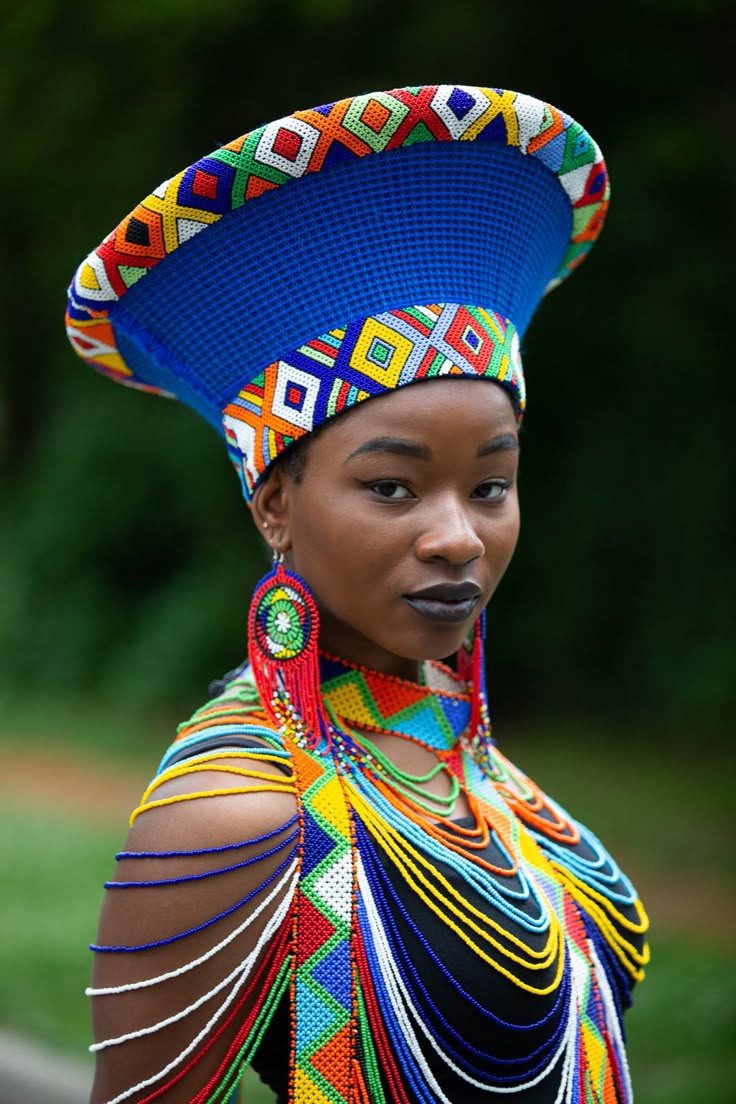
The Zulu Kingdom (South Africa): Beads are used in geometric patterns to communicate tribal identity, family lineage, and emotions.
The Akan (Ghana): Chiefs wear gold-laced beads in ceremonies to reflect their wealth, spiritual authority, and ancestral blessings.
Each royal bead is not just beautiful, it’s sacred, earned, or inherited.
Beads in Rites of Passage and Spiritual Use
In many cultures, beads play a role in life’s major transitions:
Naming Ceremonies: Babies are given protective beads to guard their spirit.
Initiation Rites: Adolescents are adorned with beads to signify their new status.
Marriage: Beads are exchanged or worn as bridal blessings.
Funerals: Beads are placed on the deceased to guide them into the spirit realm.
Spiritual practitioners also use beads as tools:
Diviners and priestesses use bead bracelets and anklets for spiritual alignment.
In Ifá (Yoruba religion), Ileke beads are used to identify ranks and roles in the priesthood.
The Language of Colours
Beads speak in colours. Here’s a brief guide to some common symbolic meanings:
🔴 Red – Power, vitality, love, protection
🔵 Blue – Peace, healing, truth, calm
⚪ White – Purity, spirituality, ancestors
⚫ Black – Mystery, maturity, protection
🟡 Yellow/Gold – Wealth, fertility, success
🟢 Green – Growth, fertility, harmony
Often, the combination of colors tells a full story, a personal prayer, a warning, or a spiritual affirmation.
Modern Use and Cultural Pride
Today, African beads are experiencing a renaissance:
Worn as fashion statements and spiritual accessories
Featured in Afrofuturism, art, and music videos
Incorporated into therapy, body awareness, and wellness
Sold in global markets as symbols of Afrocentric identity
While some meanings remain sacred and hidden, others are proudly reclaimed and reimagined by young Africans across the diaspora.
When Beauty Carries Meaning
African beads are more than adornments. They are stories. They are shields. They are ancestral echoes worn around the neck, waist, wrist, and soul.
Whether gifted at birth, worn into battle, or passed from queen to queen, African beads carry a language as old as the continent itself.
So the next time you see someone adorned in vibrant beads, pause and ask:
What are they saying?
Because in Africa, some of the loudest voices never speak. They shine.


Leave a Reply