
Who Are the Zaramo?
The Zaramo are one of the most historically significant and culturally vibrant ethnic groups along Tanzania’s Swahili coast. Despite living in one of Africa’s busiest cities, they have preserved a rich cultural identity grounded in ritual, art, and ancestral heritage. Their customs may not dominate headlines, but their quiet resilience makes them one of Tanzania’s hidden cultural treasures.
Location and Demography
The Zaramo live primarily in eastern Tanzania, with their largest population centered in and around Dar es Salaam, Tanzania’s largest city. Other Zaramo communities can be found in the Pwani Region, extending inland to parts of Morogoro. The tribe numbers over 700,000 people, many of whom have adapted to urban life while maintaining strong ties to rural customs and clan traditions.
Language and Cultural Identity
The Zaramo speak Kizaramo, a Bantu language, though Swahili is now their primary tongue due to its national and regional prominence. However, traditional songs, chants, and proverbs in Kizaramo still serve as cultural vessels used in ceremonies, storytelling, and spiritual gatherings to reinforce their identity.
History and Cultural Relations
Historically, the Zaramo are Bantu descendants who interacted with Swahili traders, Arab merchants, and Islamic scholars along the coast. These interactions introduced Islam into their society, but rather than replacing traditional beliefs, Islam was blended with local spiritual systems. This cultural fusion produced a uniquely Zaramo identity religious yet rooted in ancestral veneration.
Settlements and Social Structure
Traditional Zaramo communities were organized around lineage-based villages, with homes made from mud, thatch, and wood. These compounds were family-centered, often multi-generational, and governed by elders or clan leaders. Today, while many Zaramo live in urban settings, especially in Dar es Salaam, they still return to ancestral villages for major ceremonies such as initiation rites, funerals, and marriage ritual.
Marriage and Family Traditions
Marriage among the Zaramo is a family-oriented process involving bride price negotiations (mahari), gatherings of elders, and traditional blessings. Ceremonies often feature song, drumming (ngoma), and storytelling, creating a vibrant celebration of union. While Islamic law influences family life, traditional values like respect for elders, fertility blessings, and spiritual cleansing are still widely practiced.
Religion and Spiritual Beliefs
The Zaramo are predominantly Muslim, but their spiritual landscape is richly layered. Many believe in the presence of majini (spirits), consult waganga (traditional healers), and perform rituals to honor ancestral spirits. Healing ceremonies, puberty rites, and protective charms are all part of their cultural fabric, blending Islamic prayers with indigenous rituals.
Art, Music, and Dance
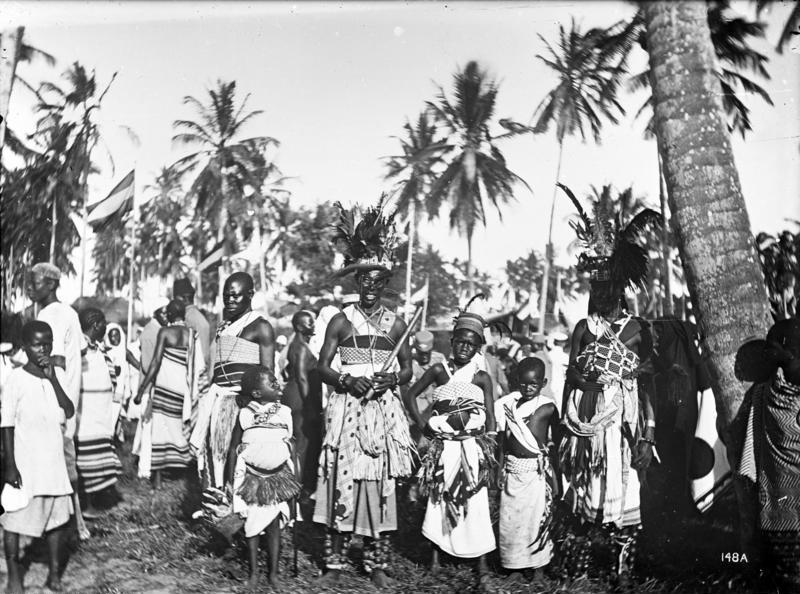
The Zaramo are culturally expressive, especially through art and performance. Their most distinctive dance form is the ngoma, which involves drumming, rhythmic movement, and symbolic costume. These dances are spiritual in nature, often performed during initiation ceremonies, weddings, and healing rituals. They also create sacred wooden carvings like masumbi (grave markers) and masks, used to honor ancestors and guide spirits.
The Art of Relating with the Zaramo
To build a connection with the Zaramo, one must understand their deep respect for community, humility, and spiritual order. Elders are honored above all, and greetings are exchanged with genuine courtesy. If invited into a Zaramo home, it’s common to be served locally prepared foods like coconut rice, cassava, or grilled fish. Visitors are expected to dress modestly, show respect for rituals, and avoid casual talk about sacred practices.
What Makes the Zaramo Unique?
What truly sets the Zaramo apart is their ability to maintain cultural integrity within urbanization. Few tribes manage to preserve initiation rites, spirit dances, and ancestral devotion in the midst of rapid modernization. The Zaramo not only keep their traditions alive they integrate them into the urban rhythm, proving that tradition and progress can dance in harmony.
Conclusion
The Zaramo may not often be in the spotlight, but their cultural heartbeat is strong and steady. From ritual drumming to ancestral healing, their way of life offers a rare glimpse into a Tanzania that thrives behind the noise of modern cities. For those willing to look closer, the Zaramo reveal a world of wisdom, spirit, and legacy a hidden gem in the rich tapestry of African culture.
Zaramo People: Tanzania’s Hidden Cultural Gem
By
Read Next:
Hey!
Hey, dear visitor! Whether you’re here to know about African history, culture and news, or just stay in the loop with the latest events in Africa, you’re in the right place. This blog is all about sharing the coolest things in Africa. Hit that follow button, and let’s explore Africa together! 🚀
Join the Club
Stay updated with our latest tips and other news by joining our newsletter.
Tags
#Adulthood #Adulthood #PCOS Awareness #young girl child# health care #Africa #Africa Hairstyles #African History #Africa #Africa history #Africa root #Africa Countries #Africa #Africa history #Africa root #The Bambuti tribe #Africa #African Country #infrastructure #economic growth #Africa #beautyinafrica @wildlifebeauties #kenya #tanzania #Africa #Breaking # News #Africa #Breaking # News #Nigeria #cybersecurity #levy #economy #Africa #Breaking # News #southafrica #Apartheid #Economic instability #Africa #Breaking # News #southafrica #Apartheid #Election #Zuma #Africa #Breaking # News #SouthAfrica #Election #ContentCreators #SocialMedia #Africa #Breaking #Nigeria #insecurity #death #economy #fire #Africa #Country Names #Africa identity #Africanculture #Africanspirituality #childrensafety #Greatness #LGBTQ #news #Africa #Nigeria #trends #entertainment #Music #Non-digitalskills #personalgrowth #Productivity #slave trade #UgandanAthleteAttackedInKenya #PetrolAttackOnFemaleRunner #ViolenceAgainstFemaleAthletes #RebeccaCheptegeiFightForLife #KenyaCrimeAgainstWomen #AthleteSurvivesPetrolAttack #GenderBasedViolenceInKenya #UN AFCON africa African youth Africa to the world food football Ghana health Ivory Coast mental-health News Nigeria power woman self-esteem social media sports technology youth youth advocacy
Leave a Reply