
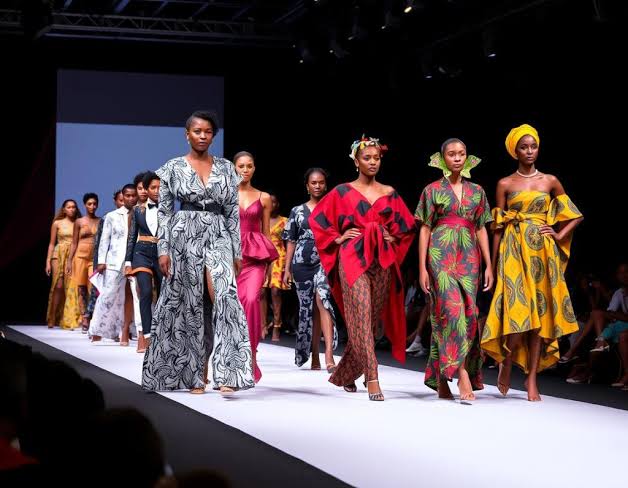
Africa boasts a prestigious fashion heritage that is deeply rooted in its rich history and cultural diversity. From the intricate patterns of Kente fabric in West Africa to the vibrant colors of Southern Ndebele attire, Africa’s fashion represents a true reflection of the continent’s longstanding ingenuity and a tapestry of rich cultural heritage. Since the days of the silk trade, Africa has remained a major producer of raw materials for the global fashion industry, with 37 of its 54 countries producing cotton. This contribution results in over $15.5 billion worth of textile exports annually. With a growth projection of 12.14% between 2023 and 2027, the market volume of African fashion is expected to reach $10.12 billion by 2027. African fashion styles and products have successfully carved a niche in the global fashion market.

This remarkable rise has firmly established African fashion as a global powerhouse, propelled by designers such as Aisha Ayensu, Deola Sagoe, Laduma Maxhosa, Adebayo Oke Lawal, Anifa Mvuemba, Thebe Magugu, Imane Ayissi, Lisa Folayiwo, Lozza Maléombo, and others, who are driving innovation and contributing to global change. The emergence and growth of fashion brands across the continent continue to rise steadily, indicating that the African fashion sector is poised for even more growth than previously anticipated.
The African Fashion Niche
The African fashion sector represents a rich niche that encompasses all aspects of fashion production and marketing, exemplifying the richness of Africa’s diversity and cultural heritage. Nothing tells the story of true African beauty quite like the continent’s unique fashion styles, highlighted by intricate patterns and embroidery. African textiles such as Aso Oke, Kuba cloth, Okene Cloth, Kente Cloth (popularly known as “Ankara”), Adire Cloth, Bokolonfini, Lamba Mena, and Adinkra are as old as time, each revealing the creative ingenuity of African fashion pioneers. To this day, these textile styles continue to make bold statements, interwoven and combined to create the contemporary African textiles and designs we embrace today.

From textile production and fashion design to sales and promotion, the African fashion value chain presents substantial potential for value-added benefits and job creation. For instance, in the cotton value chain—which includes processes like spinning and twisting into yarn, weaving and knitting into fabrics, dyeing, printing, and designing—up to 600% value can be generated along the chain. The production of African fabrics and fashion goods is highly lucrative and is expected to expand further due to the increasing involvement of Africans in the sector.

Africa is home to some of the world’s fastest-growing economies, and the expanding market for both luxury fashion and fashionable mid-market clothing and accessories enhances its economic potential. The unique and captivating styles, fabrics, clothing, and accessories of Africa have been in high demand for decades. After being sidelined by mainstream fashion for over half a century, the rise of African fashion and design has captured the attention of international observers, positioning Africa as a new global hub for creativity. A creative revolution is underway, and a bold chapter in the history of African fashion is unfolding, marked by carefully curated showcase events, fashion weeks, and creative fashion schools emerging in major African cities.
While the recent global emergence of the African fashion sector has received widespread appreciation, some skeptics still refer to this long-established fashion style as a “trend.” This narrative undermines the history and heritage embedded in African fashion. Aisha Ayensu, an award-winning fashion designer and founder of the Christie Brown Fashion House, a Ghanaian luxury fashion brand, stressed, “African Fashion is not a trend; it was never a trend to us; we have been doing this for years.”

Supporting this transformative shift in the recognition of African fashion, blockbuster movies such as the Black Panther sequel and Black is King have globally showcased the continent’s rich fashion heritage and styles, integrating them into everyday life. In an important milestone, 170 years after its establishment, London’s V&A Museum held its first-ever exhibition dedicated to African fashion, featuring about 45 brands and designers. This effort significantly shifted the narrative of African fashion from being viewed merely as a trend to being acknowledged as a global lifestyle.
Content Inspiration: Eye city Solutions
Leave a Reply