
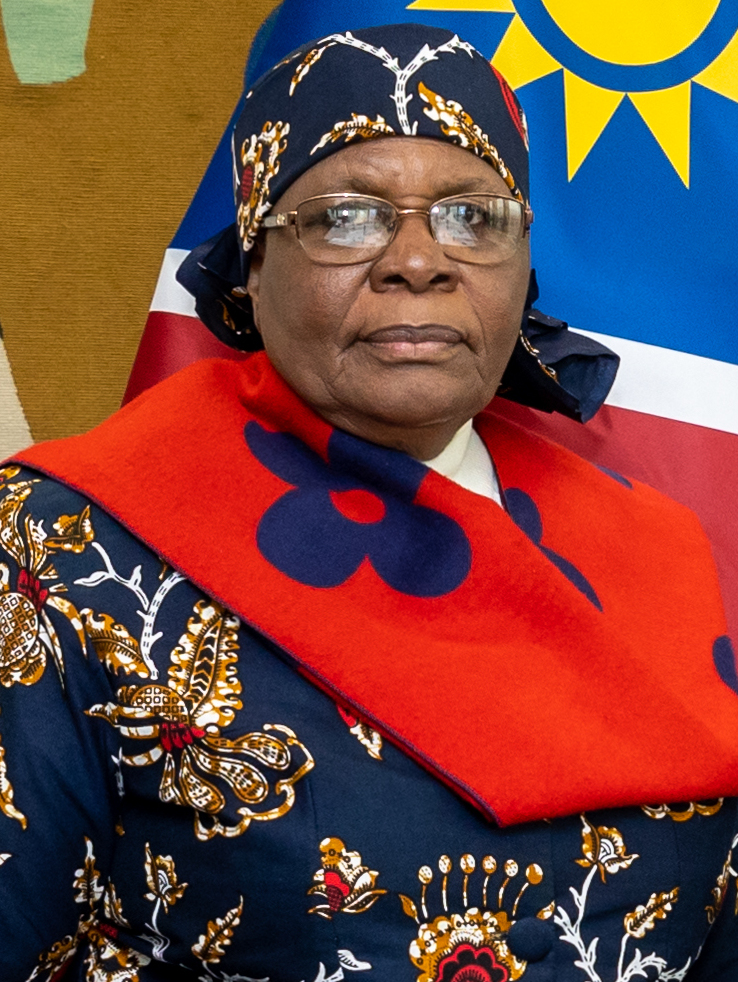
Netumbo Nandi-Ndaitwah, representing the ruling South West Africa People’s Organisation (Swapo), has been elected as Namibia’s first female president. She secured over 57% of the vote in last week’s contested election, while her closest rival, Panduleni Itula of the Independent Patriots for Change (IPC), garnered 26%.
The election faced logistical challenges, including a three-day polling extension in some areas, prompting Itula to label the process as “deeply flawed,” according to Reuters. The IPC has announced plans to challenge the results in court.
Most opposition parties boycotted the results announcement held Tuesday evening in Windhoek, Namibia’s capital. Despite the political tensions, the city remained calm on Wednesday, with daily activities continuing without major celebrations or protests.
Following her victory, Nandi-Ndaitwah expressed her gratitude, stating, “The Namibian nation has voted for peace and stability.” Swapo, which has governed Namibia since its independence in 1990, narrowly retained its parliamentary majority, securing 51 out of 96 elected seats—a significant drop from its previous standing. The IPC gained 20 seats, establishing itself as the main opposition.
Nandi-Ndaitwah, currently Namibia’s vice-president, is a seasoned politician with over 25 years of high-level government experience. She will join Tanzania’s Samia Suluhu Hassan as one of Africa’s few female heads of state. Congratulating her on her historic win, South African President Cyril Ramaphosa wrote on X: “Your election…is a testament to democracy and its ability to transform our societies.”
While Swapo’s victory is historic, political analyst Tirivangani Masawi described it as the party’s “worst performance since independence.” In the 2019 presidential election, Itula had already dented Swapo’s dominance, reducing its vote share from 87% in 2014 to 56%.
The IPC has called for those who felt disenfranchised during the election to report their grievances to the police. Meanwhile, the Electoral Commission of Namibia (ECN) acknowledged shortcomings, including organizational failures and ballot shortages.
Swapo, once the vanguard of Namibia’s liberation struggle against apartheid South Africa, faces growing scrutiny. Observers note parallels with regional trends, where liberation parties have suffered electoral setbacks. Recently, South Africa’s African National Congress lost its outright parliamentary majority, and Botswana’s Democratic Party was ousted after nearly 60 years in power.
As Namibia transitions under its first female president, Nandi-Ndaitwah’s leadership marks a pivotal moment for both the country and the region.
Leave a Reply