
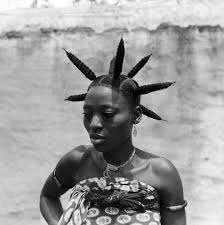
African natural hair carries a profound history and serves as a cultural emblem for African and African diasporic communities. Its story is one of beauty, resilience, and identity, deeply intertwined with social and historical contexts.
Historical Significance
In pre-colonial African societies, hair held immense cultural and spiritual significance. Hairstyles often symbolise one’s tribe, social status, marital status, age, religion, or wealth.

Intricate braids, twists, and other natural styles were a form of artistic expression and communication. For instance, the Yoruba people of Nigeria developed elaborate hairdos that reflected their beliefs and traditions.
During the transatlantic slave trade, this deep connection to hair was disrupted. Enslaved Africans had their heads shaved as a means of erasing their cultural identity. Over time, their hair became a source of both discrimination and resilience. Even under oppressive conditions, African people maintained their hair to preserve aspects of their heritage.
Evolution in the Diaspora
In the 20th century, particularly during the Civil Rights and Black Power movements of the 1960s and 1970s, natural hair became a political statement. Wearing afros and other natural styles was a rejection of Eurocentric beauty standards and a proud affirmation of Black identity. Icons like Angela Davis popularised the afro, transforming it into a symbol of empowerment.

The late 20th century saw a shift toward chemical relaxers and straightening techniques as many Black individuals faced societal pressures to conform to Western beauty norms. However, by the 2000s, the natural hair movement emerged, emphasising the beauty and versatility of African-textured hair. This movement celebrated traditional styles such as braids, locs, twists, and bantu knots while promoting hair care products free from harsh chemicals.
Cultural Significance Today
Today, African natural hair continues to thrive as a cultural touchstone and a symbol of pride and self-expression. Social media platforms have played a pivotal role in this resurgence, offering spaces for individuals to share hair care tips, styles, and stories. Additionally, movements like “The Crown Act” aim to combat discrimination based on natural hair in workplaces and schools.

The versatility of African hair allows for endless creativity, from cornrows and box braids to high puffs and free-form locs. Beyond aesthetics, these styles often carry deep cultural narratives, connecting individuals to their roots and communities.
Conclusion
African natural hair is far more than a fashion statement; it is a tapestry of history, culture, and identity. From the ancient kingdoms of Africa to the modern natural hair movement, it symbolises resilience, pride, and an enduring connection to heritage.
Leave a Reply