
Africa is home to a wide variety of unique foods and flavours, many of which are still relatively unknown to the rest of the world. From indigenous fruits to rare grains and special spices, these foods reflect Africa’s incredible biodiversity and cultural heritage. Here are some rare African foods that you should try if you’re looking to expand your culinary horizons.
1. Fonio (West Africa)
Known as one of Africa’s oldest grains, fonio is a small, nutrient-dense grain primarily grown in countries like Mali, Senegal, and Guinea. It has a nutty flavour and is gluten-free, making it a healthy alternative to quinoa or rice. Fonio is versatile and can be used in porridge, salads, and baked goods. Traditionally, it’s considered a “miracle grain” as it grows quickly and can thrive in drought-prone areas.

2. Kokoro (Nigeria)
Kokoro is a crunchy, deep-fried snack made from maise (corn) flour and often enjoyed in Nigeria. Its crispy texture and subtle corn flavour make it a popular street food, often served with peanuts or eaten on its own. While Kokoro is simple to make, it represents the innovative ways African communities use basic ingredients to create unique snacks.

3. Teff (Ethiopia and Eritrea)
Teff is a tiny, nutritious grain and a staple in Ethiopia and Eritrea, where it’s used to make the famous injera flatbread. It has a slightly sweet, earthy flavour and is high in protein, fibre, and essential minerals like iron and calcium. Teff is often used in various recipes beyond injera, including porridges, pancakes, and even teff-based drinks.

4. Baobab Fruit (Throughout Africa)
Baobab is known as the “tree of life” in Africa, and its fruit is packed with nutrients. The fruit has a tangy, citrus-like flavour and is rich in vitamin C, calcium, magnesium, and antioxidants. Baobab fruit can be eaten as a snack or as a powder in smoothies, sauces, and desserts. It’s increasingly recognised as a superfood and is gaining popularity worldwide for its health benefits.

5. Omena (Kenya and East Africa)
Omena, or silver cyprinid fish, is a small freshwater fish commonly found in Kenya, Uganda, and Tanzania. This nutrient-rich fish is often sun-dried and later cooked with onions, tomatoes, and spices. Omena is typically served with ugali (a maise porridge) and is a rich source of protein and omega-3 fatty acids. It has a strong flavour and is an acquired taste but is beloved in East African cuisine.

6. Egusi Soup (West Africa)
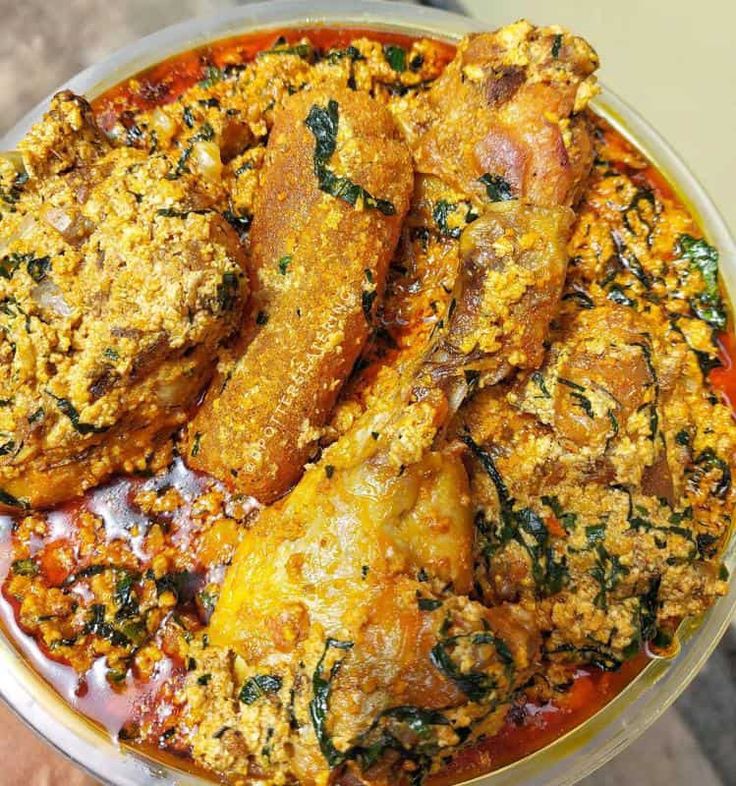
Egusi soup, made from the ground seeds of melon plants, is a creamy, rich, and delicious dish enjoyed in countries like Nigeria, Ghana, and Cameroon. The melon seeds are ground and combined with leafy vegetables, spices, and often meat or fish. The result is a hearty soup with a unique flavour and texture. Egusi is packed with protein and healthy fats, making it delicious and nutritious.

7. Mabuyu (Kenya)
Mabuyu is a traditional Kenyan snack made from baobab seeds coated in sugar and often flavoured with various natural colours and spices. Its crunchy texture and sweet, tangy taste make it a favourite among locals. Mabuyu is not just tasty but also rooted in cultural heritage, as the baobab is a revered tree in Kenya.

8. Mopane Worms (Southern Africa)
Mopane worms, the edible caterpillar of the mopane moth, are a delicacy in countries like Zimbabwe, Botswana, and South Africa. They’re high in protein and often dried for storage or fried with onions and spices. Mopane worms have an earthy flavour and are enjoyed by those looking for a nutritious snack. Despite their unconventional appearance, they are popular and widely enjoyed in Southern African cuisine.

9. Mutura (Kenya)
Mutura is a Kenyan blood sausage traditionally made with minced meat, animal blood, spices, and herbs, encased in the intestine and grilled. It’s a portion of beloved street food with a savoury, spicy flavour and is often served with kachumbari (a fresh tomato and onion salad). Mutura is a favourite snack and a way for communities to gather and share in the cooking process.

10. Tamarind (West Africa)
Tamarind is a tropical fruit with a unique sweet-and-sour flavour that grows in parts of West Africa. In many African countries, it’s used to make tamarind juice, sauces, and sweets. Tamarind is rich in antioxidants, vitamins, and minerals and is commonly used for its health benefits, including aiding digestion and reducing inflammation.

11. Jollof Rice (West Africa)
Although not rare, Jollof rice is a must-try if you’re unfamiliar with it. This iconic West African dish is made with rice, tomatoes, onions, and various spices, with regional variations in Nigeria, Ghana, Senegal, and beyond. It’s often served with fried plantains, chicken, or fish and has a rich, spicy flavour that’s deeply satisfying.

12. Gongoli (West Africa)
Gongoli is the root of the *Morinda lucida* tree, commonly used in West African cuisine and traditional medicine. It has a bitter taste and is often used in soups and stews for its medicinal properties, which are believed to support digestive health and boost immunity. Gongoli’s unique taste is acquired, but it’s a valuable component of West African culinary tradition.

These rare African foods represent the diversity of the continent’s flavours, traditions, and innovative ways of using local ingredients. Trying them is more than just a culinary experience, it’s a journey into the history, creativity, and richness of Africa’s many cultures. So, next time you have the chance, try these unique African delicacies!
Leave a Reply