
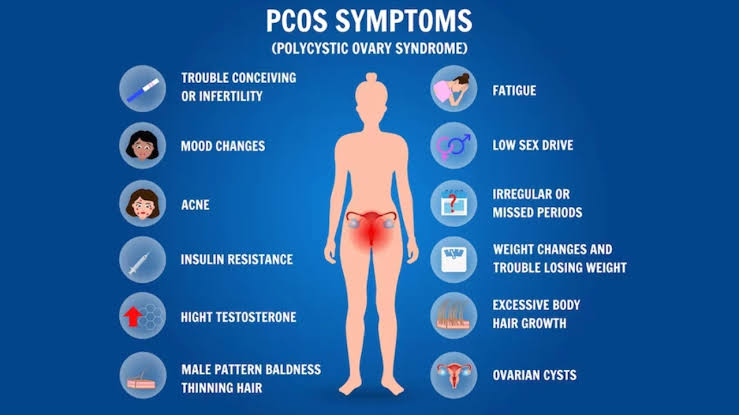
Polycystic Ovary Syndrome (PCOS) is a common hormonal disorder affecting women and girls of reproductive age, including those as young as their teens. Often characterised by symptoms like irregular periods, excessive hair growth, acne, and weight gain, PCOS can have significant physical and emotional impacts. Early recognition and understanding of PCOS among young girls are crucial to managing symptoms and improving long-term health outcomes. This article explores what PCOS is, its symptoms, potential causes, impacts on young girls, and approaches for management and support.
What is PCOS?
PCOS is a hormonal disorder in which the ovaries produce higher-than-normal amounts of androgens (male hormones). This hormonal imbalance affects the development and release of eggs, resulting in missed or irregular menstrual cycles. Additionally, many women with PCOS have small, fluid-filled sacs, or “cysts,” in their ovaries, though not everyone with PCOS has cysts, and not everyone with ovarian cysts has PCOS.
Symptoms of PCOS in Young Girls
Symptoms of PCOS can vary widely and may appear during puberty or develop later. Key symptoms in young girls include:
- rregular Menstrual Cycles: Periods may be absent, infrequent, or irregular. This is often the earliest sign of PCOS.
- Excessive Hair Growth (Hirsutism): Increased facial and body hair, especially on the face, chest, or back, due to high androgen levels.
- Acne: Persistent acne, particularly around the jawline, chin, and cheeks, is common and is often resistant to standard treatments.
- Weight Gain: Many girls with PCOS struggle with weight gain, especially around the abdomen, which can be difficult to manage.
- Scalp Hair Thinning: Some experience thinning of hair on the scalp, resembling male-pattern baldness.
- Darkened Skin Patches: Dark, velvety skin patches may appear around the neck, armpits, and other areas, a condition called acanthosis nigricans.
Causes and Risk Factors of PCOS
The exact cause of PCOS remains unclear, but several factors contribute to its development:
- Genetics: PCOS tends to run in families, suggesting a genetic component.
- Insulin Resistance: Many girls with PCOS have insulin resistance, a condition in which the body’s cells don’t respond effectively to insulin. This can lead to higher insulin levels, which may trigger increased androgen production
- Hormonal Imbalances: Elevated levels of androgens interfere with the ovaries’ normal functioning, affecting ovulation and menstrual cycles.
Health Impacts of PCOS on Young Girls
PCOS not only affects the reproductive system but also has broader health implications. Some of the long-term risks include:
- Type 2 Diabetes: Insulin resistance increases the risk of developing type 2 diabetes, even at a young age.
- Mental Health: The visible symptoms, such as weight gain and excessive hair, can lead to self-esteem issues, anxiety, and depression.
3.Metabolic Syndrome: This syndrome, characterised by high blood pressure, obesity, and high blood sugar, is more common in those with PCOS and raises the risk of heart disease.
- Infertility: PCOS is one of the leading causes of infertility due to irregular ovulation. However, it’s essential to note that many women with PCOS can conceive with appropriate treatment.
Managing PCOS in Young Girls
While there is no cure for PCOS, various strategies can help manage symptoms and improve quality of life:
- Lifestyle Modifications: Diet and exercise are foundational for managing PCOS. A balanced diet is rich in whole grains, lean proteins, and fibre can help stabilise blood sugar levels. Regular exercise can aid weight management and improve insulin sensitivity.
- Medications: Birth control pills are commonly prescribed to regulate menstrual cycles and reduce androgen levels, which can help with acne and hair growth. Metformin, a medication for diabetes, may also improve insulin sensitivity.
- Skincare and Hair Removal Treatments: Dermatological treatments, such as topical creams for acne or laser hair removal, can alleviate some visible symptoms affecting self-confidence.
- Mental Health Support: Since PCOS can impact mental well-being, support from family, friends, and mental health professionals can be invaluable. Cognitive-behavioral therapy (CBT) and support groups can help young girls cope with emotional challenges.
Empowering Young Girls with Knowledge
Early diagnosis and awareness can make a tremendous difference in the lives of young girls with PCOS. Educating them about their condition, available treatments, and lifestyle modifications fosters self-care and resilience. Schools, parents, and healthcare providers can all support young girls, guide them toward a better understanding of their health, and advocate for their emotional and physical well-being.
In Conclusion,PCOS is a manageable condition, but it requires proactive care and support, particularly for young girls navigating puberty and adolescence. With a proper diagnosis, medical guidance, and emotional support, young girls with PCOS can lead healthy, fulfilling lives. Understanding PCOS as a lifelong condition rather than an isolated reproductive issue highlights the importance of holistic management and empathy in supporting girls to thrive.
Leave a Reply