
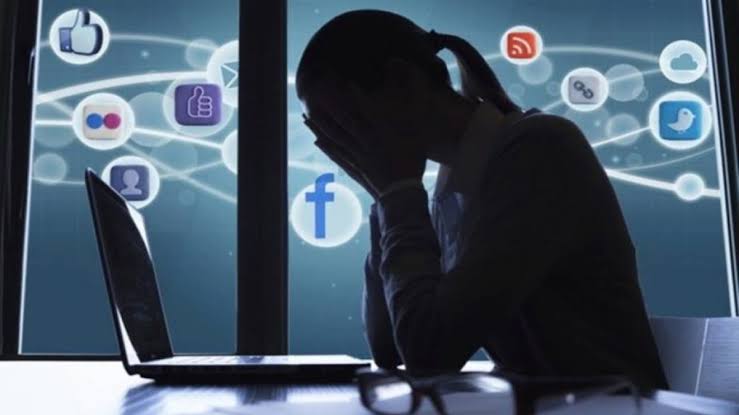
Social media has revolutionized the way we connect, share, and communicate. However, a growing body of research suggests that excessive social media use can have a profound impact on mental health, particularly among young adults. The constant stream of curated and manipulated content can lead to unrealistic comparisons, decreased self-esteem, and increased symptoms of anxiety and depression.
On one hand, social media platforms provide a sense of community and connection, allowing users to stay in touch with friends and family, share experiences, and join online groups. Social media can also be a valuable self-expression, creativity, and self-identity tool.
On the other hand, the constant exposure to idealized and airbrushed images, the pressure to present a perfect online persona, and the fear of missing out (FOMO) can lead to a distorted view of reality. Social media can also be a breeding ground for cyberbullying, online harassment, and hate speech, which can have serious consequences for mental health.
Furthermore, social media platforms are designed to be addictive, using algorithms that prioritize engagement and attention. This can lead to a vicious cycle of constant scrolling, liking, and commenting, activating the brain’s reward system and releasing feel-good chemicals such as dopamine. However, this can also lead to decreased productivity, increased stress, and a sense of burnout.
To address the dark side of social media, it is essential to promote responsible social media use, digital literacy, and online etiquette. This includes:
- Setting boundaries and limits on social media use
- Encouraging offline activities and hobbies
- Promoting diverse and inclusive online communities
- Supporting mental health resources and support services
- Encouraging open and honest conversations about social media use and mental health
Ultimately, social media is a tool; like any tool, it can be used for good or ill. By acknowledging the potential risks and taking steps to mitigate them, we can harness the power of social media to promote positivity, inclusivity, and mental wellness.
Leave a Reply