
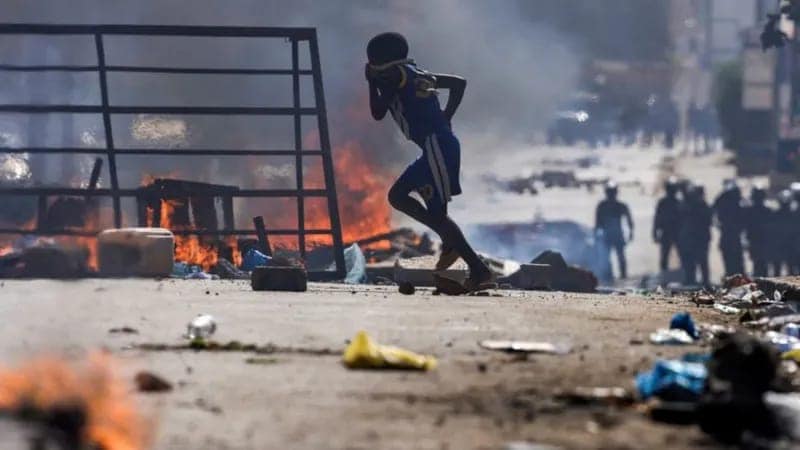
Senegal, historically known for democratic stability, is now facing a constitutional crisis. President Sall, pivotal in regional democracy promotion, is under scrutiny as tensions escalate due to alleged attempts to exclude opposition from elections.
Protests erupt in Senegal as lawmakers pass a controversial bill inside the National Assembly, extending President Macky Sall’s term and postponing elections, just three weeks before the scheduled vote.
Leading opposition figures, Khalifa Sall and Thierno Alassane Sall, condemn the move as a “constitutional coup” and “high treason,” respectively. Khalifa Sall’s coalition plans legal action, while Thierno Alassane Sall calls for public demonstrations, emphasizing the high stakes for Senegal’s democratic reputation in an otherwise unstable region.
The legality of potential transitional leadership after April 2 is disputed, creating uncertainty. Additionally, mobile internet restrictions have been imposed to curb online dissent and protest organization.
The potential consequences of postponing the scheduled election in Senegal, emphasizes the risk of widespread unrest and erosion of civil liberties, possibly turning the country into a police state. While Ecowas, the African Union, France, the US, and the EU have called for dialogue and swift elections, the analyst Mucahid Durmaz doubts a strong external push to reverse the postponement due to President Sall’s perceived international standing. He highlights the diminished credibility of regional organizations in addressing democratic deficits in civilian-run countries, leaving the focus on how these blocs handle this new democratic challenge in West Africa.
News Source : BBC AFRICA
Leave a Reply